

But behind the scenes of every America’s Cup campaign is something just as essential to success: a sense of teamwork, a willingness to sacrifice personal ambitions for the good of the group, and the grit to endure long hours, endless pressure, and personal sacrifices.
This is the true nature of the America's Cup experience, a side of the competition that aspiring team members need to embrace if they are to succeed.
Tom Burnham, an American professional sailor and coach with extensive experience in the world of top-tier sailing, offers valuable insights into what it really takes to thrive as a part of an America's Cup team. His wisdom, forged through years of elite-level competition and coaching, underscores the importance of a selfless attitude and team-first mentality. Burnham’s advice for anyone joining an America’s Cup team—whether as a sailor, coach, or shore crew—is clear: to succeed, you need to put the team’s needs above your own.
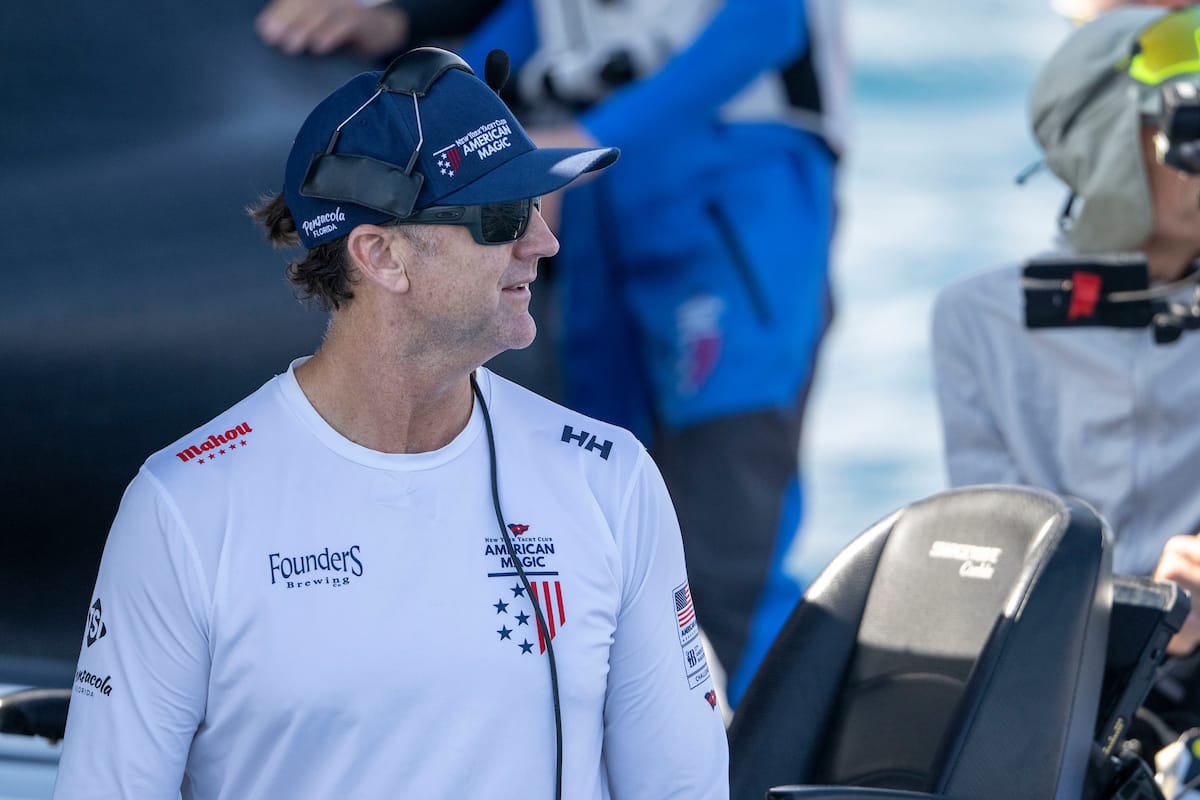
Burnham’s advice is centred on the concept of teamwork. In a sport that often glorifies individual performance, especially at the Olympic and professional levels, it can be a difficult transition to move into the world of the America’s Cup, where success is built on collective effort.
Unlike the smaller crews found in dinghy racing, where each person has a specific role and is integral to the overall outcome, America's Cup teams involve much larger groups of people. This can mean that not everyone will make it onto the boat for every race, and some team members might even find themselves sidelined. It’s during these moments, Burnham explains, that the true spirit of teamwork is tested.
"When you're part of a bigger team, you might end up as the spare, left on the bench," Burnham reflects. "That’s when you need to be able to demonstrate that you are a good team player, willing to put your personal needs aside for the good of the team."
In his experience with American Magic, Burnham has seen athletes who, despite not being selected to race, continue to contribute positively to the team’s success. These athletes didn’t sulk in the background; instead, they actively supported their teammates, made valuable contributions, and stayed focused on the ultimate goal—the team’s victory.
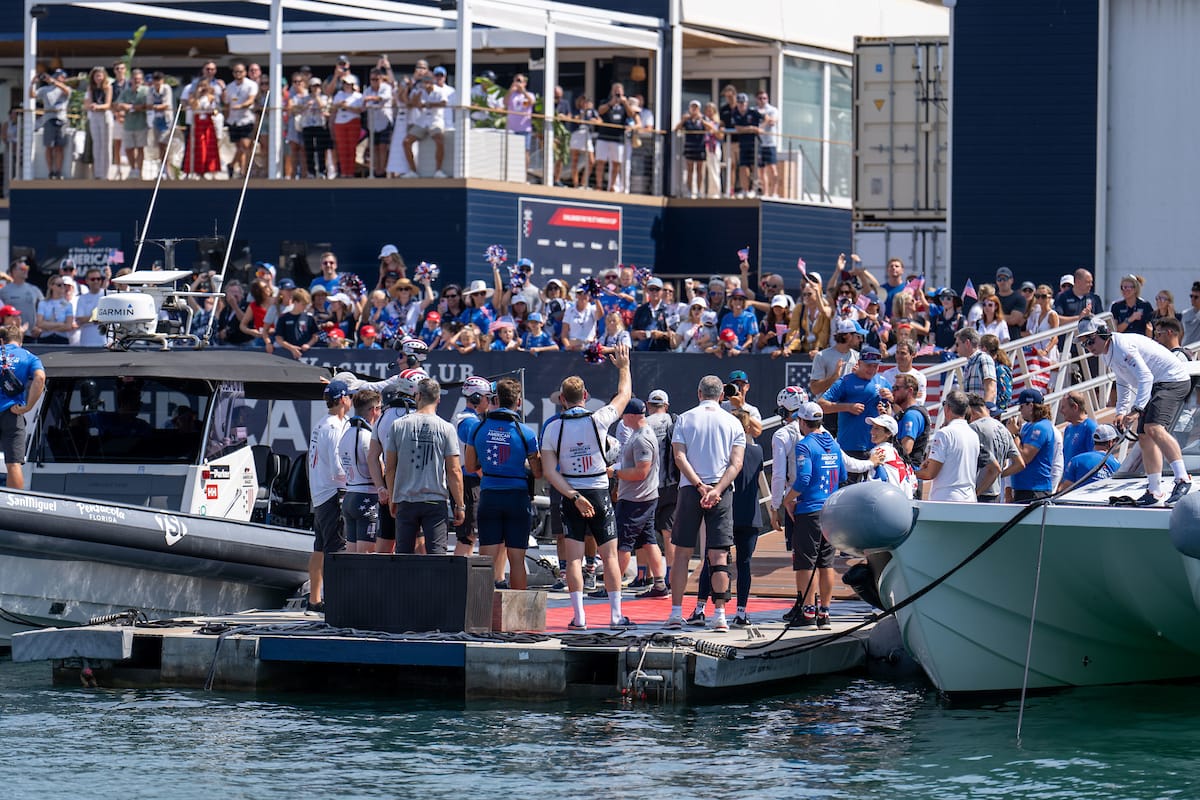
It’s a humbling realisation for elite athletes who are accustomed to competing at the highest levels and often find themselves at the forefront of the action. But Burnham believes it is this mindset that distinguishes the truly successful America's Cup team members from others. "Even if they weren't picked to be on the boat, they were fully supporting the team, being a real asset," he explains. "It’s a hard transition for someone who is an elite athlete who maybe has just come out of the Olympic campaigning world and is thinking, ‘I just won a bronze medal but now I’m on the bench here.’"
As Burnham points out, many sailors in the America’s Cup are high-achieving individuals who have worked their entire lives to reach the top. They’ve climbed through the ranks of dinghy sailing, world-class events, and Olympic campaigns, and now they find themselves working towards a single, unified goal—the America’s Cup. For them, letting go of personal ambitions in favour of the greater good can be difficult, but it is a necessary part of the journey.
One notable example of this kind of selflessness is British sailor Giles Scott’s role in INEOS Britannia’s 38th America’s Cup campaign. As Burnham recalls, Scott started the campaign expecting to be one of the team’s two helmsmen, but just before the regatta began, he was stood down in favour of Dylan Fletcher. Despite the setback, Scott embraced his new role with unwavering professionalism, focusing on supporting the team rather than nursing any personal disappointments. Burnham admires this mentality, calling it the essence of a true team player. "It takes a real team player to be able to do that," he says.
For aspiring America's Cup sailors, Burnham stresses that this attitude of flexibility and humility is vital. The chance to race in the America’s Cup is rare and hard-earned, and there’s no room for personal ego or frustration. The most successful team members are those who are prepared to support their teammates and remain adaptable, even when things don’t go as planned. In Burnham’s words, it’s about having the mindset that "I need to do my best to be on the boat. Somebody may take my spot, but no matter how it all works out, I need to still be that good team player and be a positive part of the team that is helping push the team along to succeed."

Beyond the sacrifices required to maintain a team-first attitude, there’s another side to life in an America’s Cup team that aspiring sailors need to be prepared for: the gruelling, high-pressure lifestyle. The America’s Cup is not for the faint of heart. The demands of the campaign are all-consuming, requiring sailors to dedicate long hours and relentless effort to the cause. Burnham explains the toll it can take on one’s physical and mental well-being.
"It's pretty demanding. It’s stressful. Time is the enemy. So you're always working against the clock," Burnham acknowledges. "Even from my perspective as a coach, I felt it—the pressure of trying to be ready for the debriefs and working with the performance group who worked crazy hours."
While the adrenaline of competition can be exhilarating, the reality is that most of the time, the focus is on preparation, technical analysis, and fine-tuning every aspect of the boat’s performance. There’s little room for rest or personal time, and the team members must be willing to make sacrifices in order to succeed.
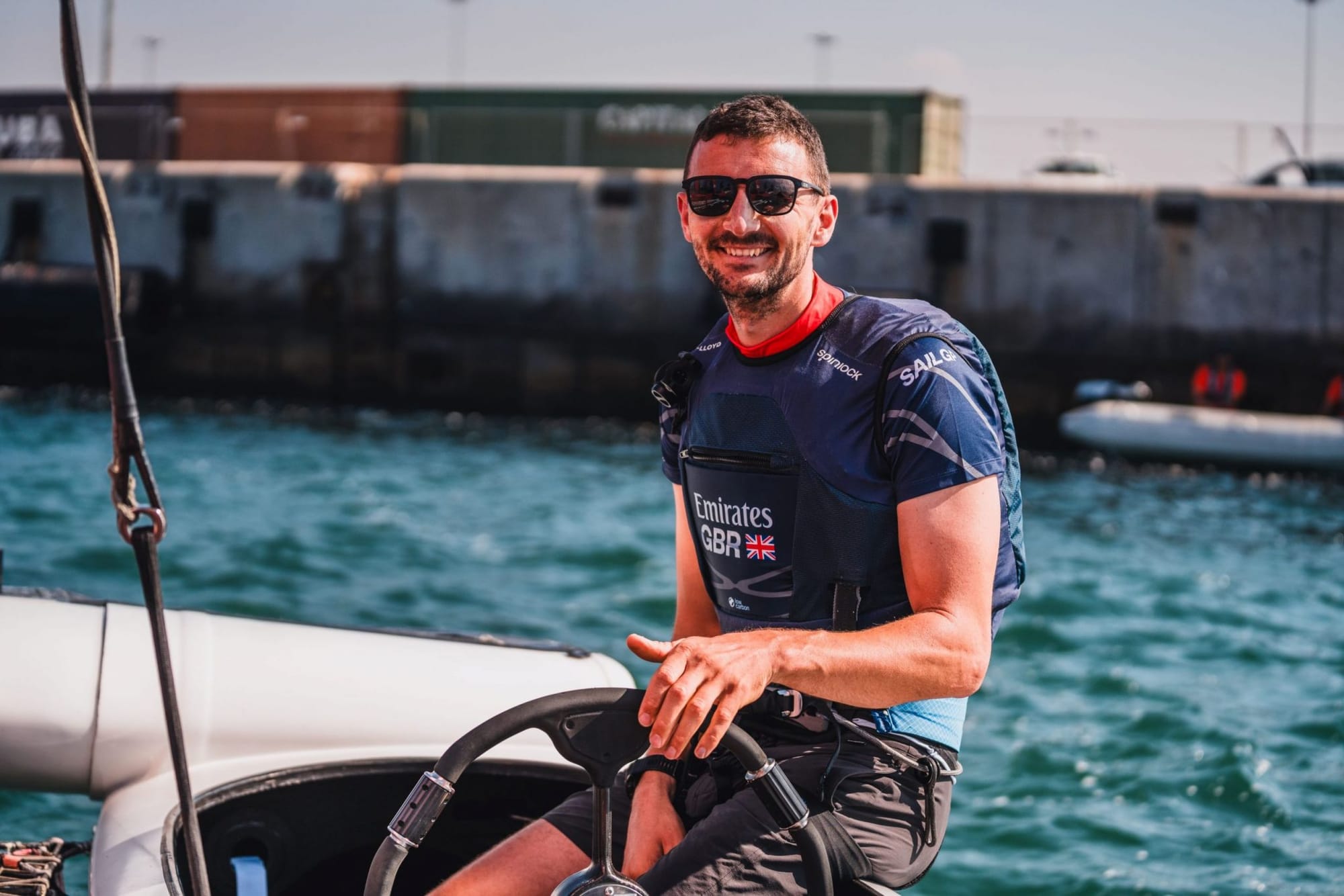
But despite the challenges, Burnham emphasises that the rewards are immense. Being part of such a high-calibre team, working with like-minded individuals toward a single goal, is a deeply fulfilling experience. The camaraderie forged in those intense, stressful moments is something that can’t be replicated elsewhere. "It really builds a unique camaraderie that’s hard to replicate in other parts of your life. So it’s a pretty special thing," Burnham reflects.
For those looking to join an America's Cup team, Burnham’s advice is clear: selflessness is the key to success. Whether you’re an Olympic gold medallist or a shore crew member, your ability to prioritise the team’s success over your own personal achievements will determine how far you go. The America’s Cup is about more than individual glory—it’s about pushing yourself and your teammates to be the best, no matter the personal sacrifices required. Burnham’s perspective is a valuable reminder that in this elite world, the team’s collective success is always the ultimate goal.
So, for aspiring America’s Cup sailors—take note. The road ahead will be tough, the hours long, and the pressure unrelenting. But the payoff, in terms of both personal growth and team achievement, is immeasurable. In the end, it’s not about the trophies you win alone—it’s about the moments you share with your team and the victories you achieve together.


