


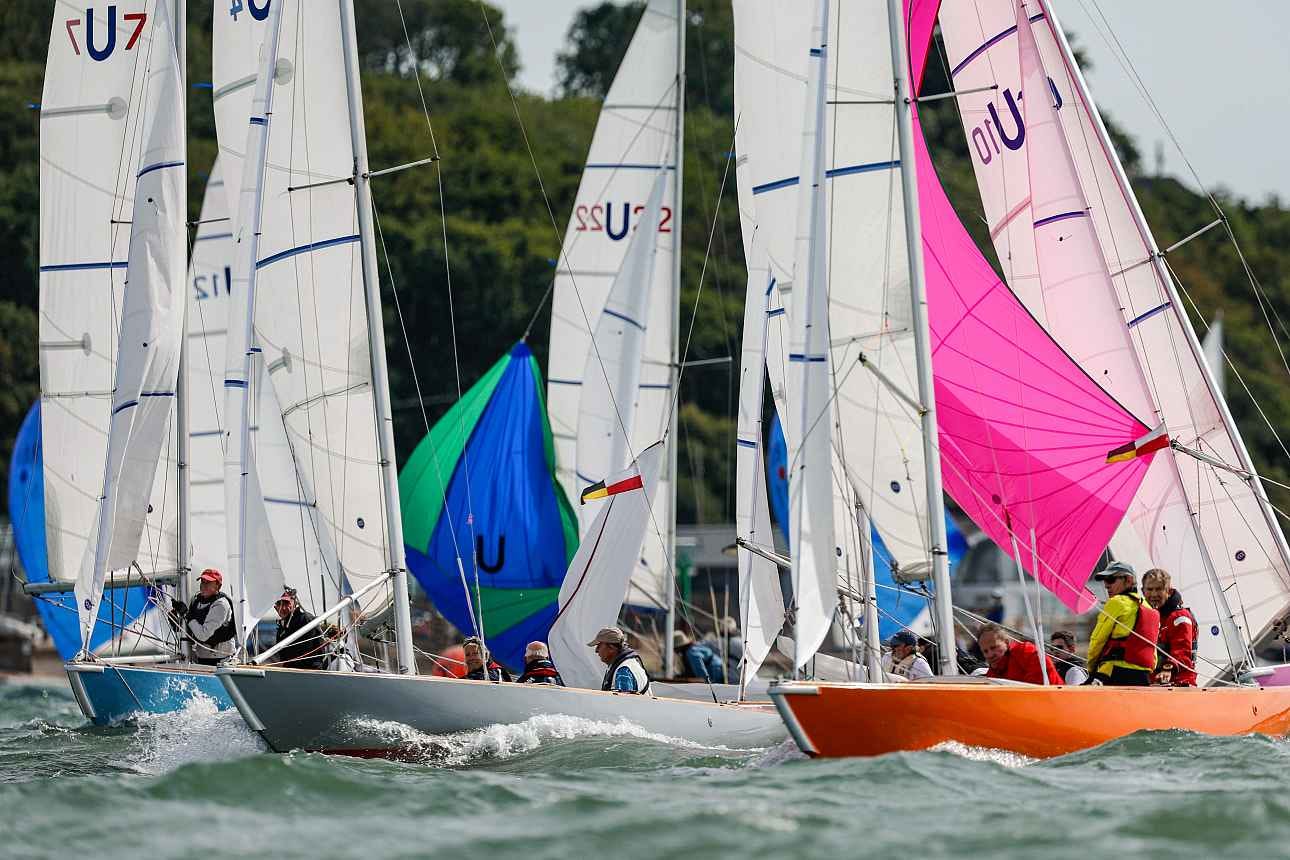
Although the 2026 edition of Cowes Week – which got underway over the weekend – may not have drawn the 1,000+ entry it reached at its peak in 2005, it has pulled in a title sponsor – North Sails – for the first time in a long time, and a very healthy fleet of more than 630 boats will be packing the Solent over the coming week.
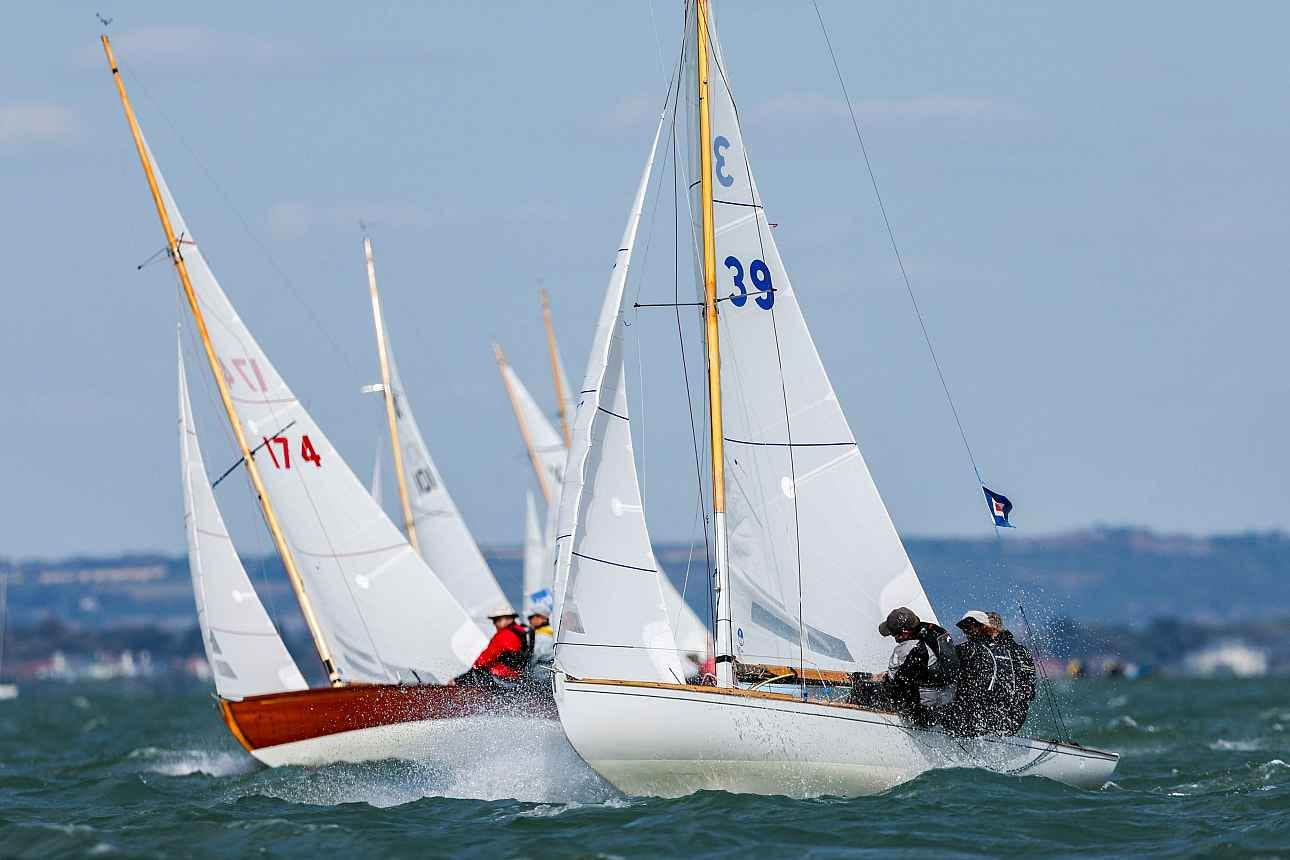
I fell in love with Cowes Week the first time I attended, some time in the late ‘80s. I can recall as clear as day gasping as the fast ferry from Southampton weaved its way through the masses of racing boats packing the Solent. My sailing experience at that time was largely limited to dinghy sailing on the lakes and reservoirs of the north-west of England. This was something completely alien to me. I had never seen so many yachts in one place at one time. Ashore that afternoon, it seemed that everyone was a racing sailor. Cowes’ narrow high street was thronged with people in Musto, Henri Lloyd, and Helly Hansen kit. Every bar and restaurant was packed out with yacht crews reliving the on-the-water action from the day. It was a whole new world for me, and I thought it was all just fantastic.
I returned to Cowes Week regularly after that. I was there in 1996, racing aboard a new Humphreys 30 called Men Behaving Badly. The boat was yet to have its saildrive propulsion system fitted, so we somehow cobbled together a Heath Robinson-style transom bracket to hang an outboard borrowed from my J24.
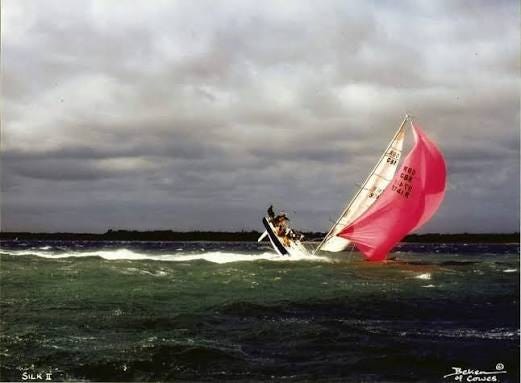
The engine was just about powerful enough to get us off the dock and out of the Medina River, but had nothing like the poke we needed when the breeze dropped after racing and we had to motor against several knots of tide. That was the year of ‘Big Tuesday’, when the entire fleet got caught out in stormy conditions and the Bashford Howison 41 Silk II famously nosedived on the way downwind – a scene immortalised by the lens of Beken of Cowes.
We were having our own issues aboard Men Behaving Badly as the breeze ramped up. I had tripped during our first tack after the start and had snapped off the tiller extension. That meant I spent the rest of the race steering from a kneeling position. The wind strength got steadily higher and higher. We didn’t have a reefing point in the mainsail and we were on our smallest number four headsail as we approached the windward mark at Gurnard Ledge. Unbeknown to us, the 40-foot one-off sportsboat Camp Freddie had ended up on its side aground after trying to tack around, rather than gybe. They had fluffed the tack and ended up in irons before sliding sideways on to the bricks.
Happily, we managed to get our boat through the tack somewhat more successfully, albeit losing the wind instruments from the top of the mast as we did so. With me still kneeling on the cockpit floor, we scorched off across the Solent in a ball of spray, weaving our way between capsized and dismasted boats, as the breeze (we found out later) ramped up to a peak of 43 knots – still, I think, the windiest conditions I have raced in. On board that day, huddled at the back of the boat behind me with the rest of the crew, was the boat’s designer, Rob Humphreys. I ran into Rob recently at the Palma Superyacht Cup, and reminded him of his not-so-useful comment to me back then as I fought with gritted teeth to keep the boat from spinning out. “It’s not supposed to go this fast downwind,” he’d told me, grimly.
Somehow, we finished that race – one of just a handful of boats that did, as I recall – but not before we were blown flat several times on the final upwind with just the headsail up and a full crew on the rail. As we struggled across the finish line, it had got so windy that the Royal Yacht Britannia was being moved from its mooring off the Royal Yacht Squadron to avoid the risk of it breaking loose on its own.
After surviving the tumult – and then successfully managing to get the outboard on to its makeshift mount in pounding seas off the mouth of the Medina – we were all happy to get back to our crew house for hot showers, warm food, and some reviving beverages. I think our whole contingent was asleep by 2100.
So it came as something of a surprise the following morning to be woken early by our panicked landlord banging on the door. His wife had read a story in The Times newspaper about the crew of a boat with the same name as ours wreaking havoc in their rented accommodation. Having conducted a hasty inspection of the premises to find the place – as he put it – “tidier than it normally is”, the relieved property owner left us, apologising profusely as he went.
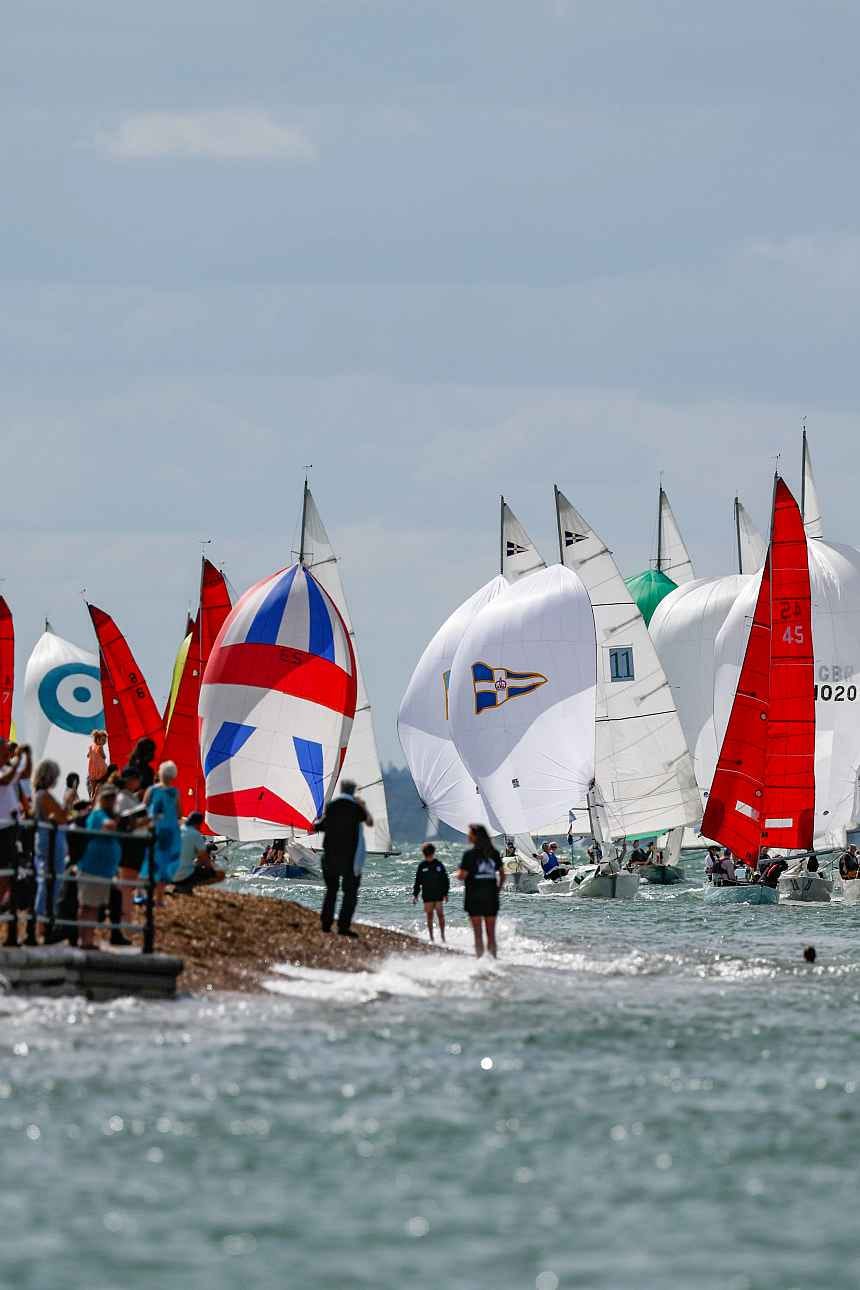
Sadly, I will not be in Cowes for this year’s two-hundredth edition, but trust me that I will be following along vicariously via the excellent website, on which I have already spent more than a sensible amount of time scanning the entry lists across the 37 (!) classes.
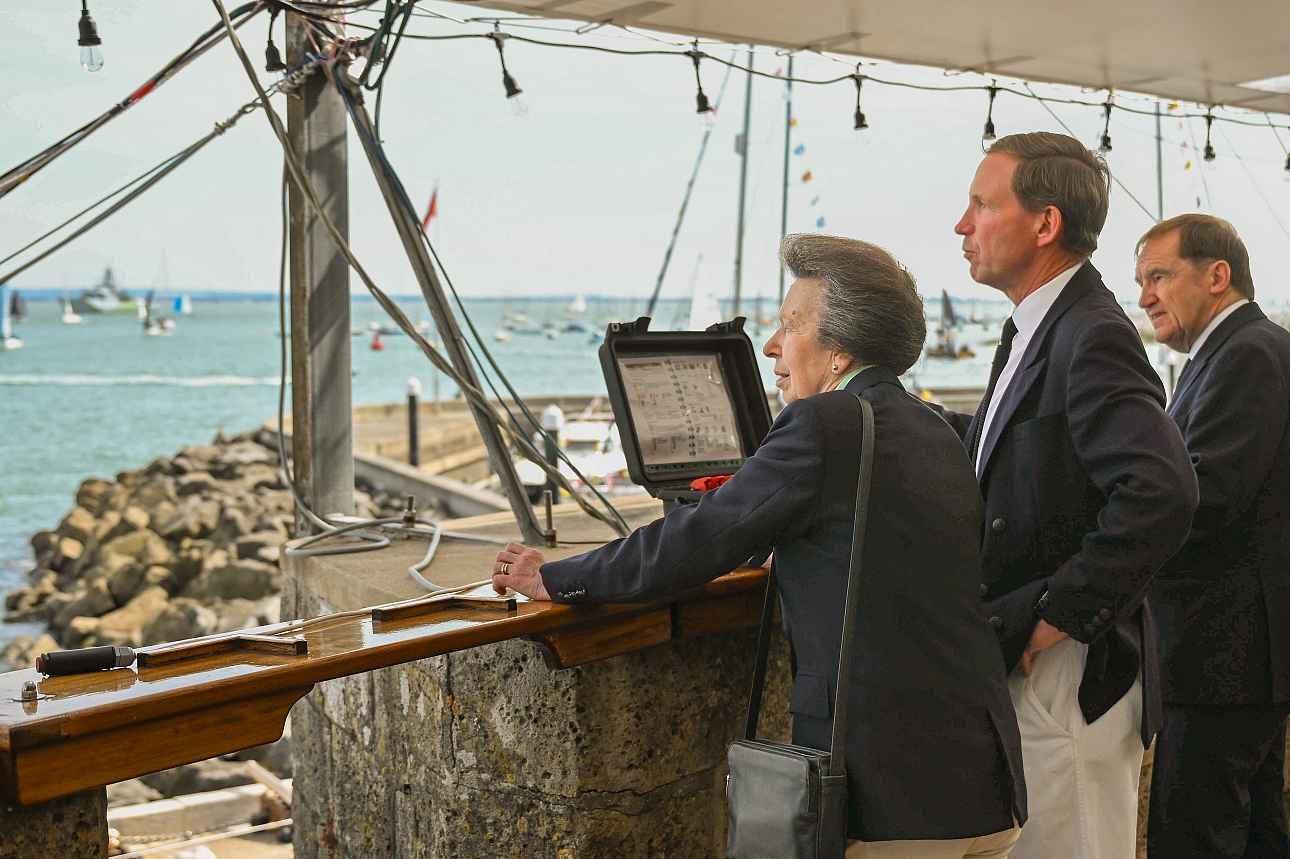
I see from the list of news stories that keen sailor HRH Princess Anne fired the first starting cannon from the Royal Yacht Squadron on Sunday. Cowes Week and the British Royal family have a longstanding relationship – Prince Philip was a regular competitor – and the Princess’s presence in Cowes guarantees some valuable mainstream media exposure for the regatta. That’s good news for the event and great return on investment for the sponsors.
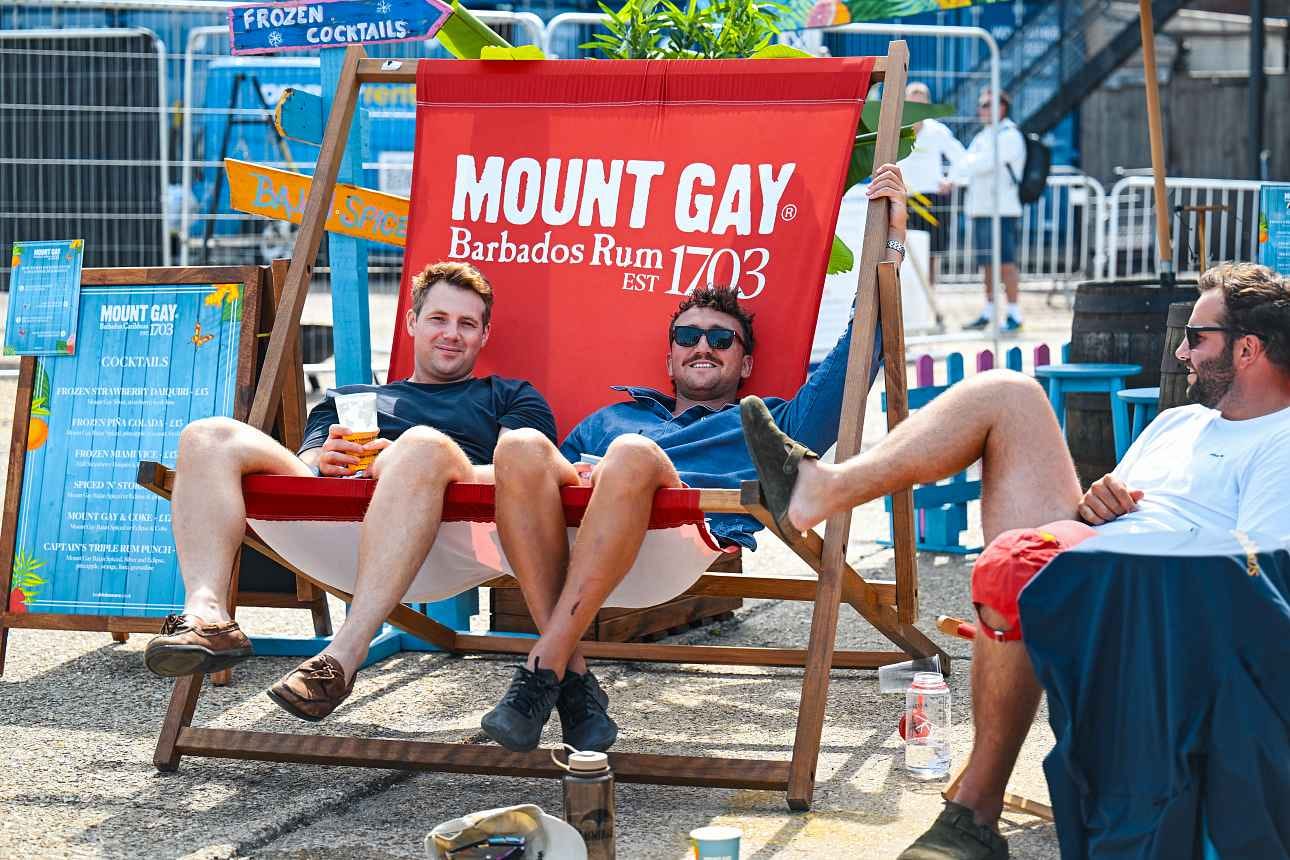
Speaking of sponsors, it is great to hear the news that the 300-year-old rum distillery Mount Gay has renewed its partnership with sailing at this year’s Cowes Week. Red Mount Gay hats used to be the ultimate badge of honour for competitive sailors. I have owned a few in my time – Antigua Race Week and Key West Race Week being two I remember clearly, but sadly both now long gone. It is 43 years since the first ones were produced for the 1983 Admiral’s Cup, and I’m sure the Cowes Week 2026 versions will be as sought after and long cherished as ever. A very warm welcome back, Mount Gay!
Good luck and fair winds to all who are competing on the Solent this week – and here’s to another 200 years of Cowes Week!