
As high-performance rigs and sails increase in stiffness, Armare Ropes are matching those improvements by creating custom cordage to meet each application. But even the best ropes will elongate over time, a scientific reality known as “creep.”
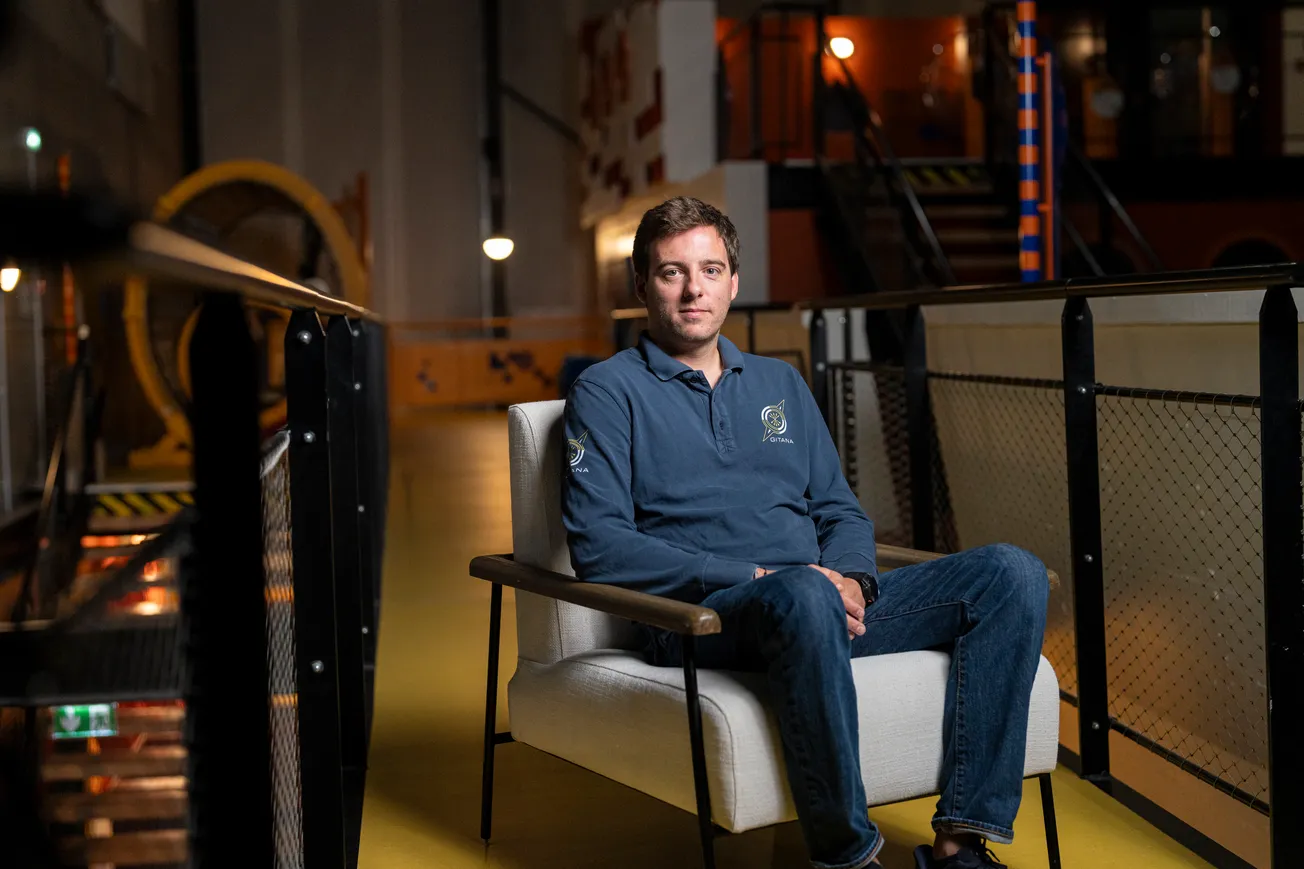
Creep is ‘a progressive and irreversible deformation that affects materials subjected to constant stress over time,’ explains Stefano Finco, general manager at Armare Ropes. There are many factors that will increase creep, including load levels, time under load, temperature and humidity. And though there are several different types of creep, two will most affect sail setting and trimming: the initial elongation, and the more gradual stretching that occurs over a rope’s lifetime.
‘Sailors are used to experiencing some elongation when the rope is new,’ Finco says. ‘It is quite natural.’ But even once a rope has settled in, continued elongation will gradually reduce tensions on the rig and the sails – especially in hot and humid conditions.
Rope density, core design and sheath-core interactions also impact creep behaviour. Braided ropes typically have more controlled elongation, which is why they’ve become standard for both racing and cruising applications.
Creep is most significant on high-performance raceboats, where winning can come down to a few millimetres of line adjustment. Halyard stretch will change sail shape, while creep in backstays, checkstays and other purchases can significantly alter mast bend. Even carefully marked sheets can creep, confusing trimmers and potentially causing a reduction in boatspeed.
‘The need to reduce creep has become increasingly important with the advent of very rigid sails, carbon masts and composite shrouds,’ says Finco. ‘Dyneema is certainly one of the most suitable fibres for many applications on boats, but it also has a relatively high degree of creep. The heat pre-stretching we perform helps to stabilise our Dyneema products, which makes them more them suitable for high-performance sailing boats.’
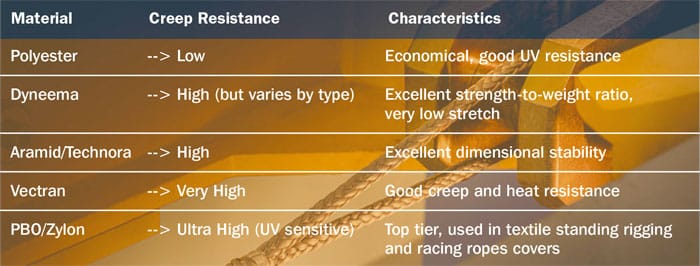
Because creep can’t be completely eliminated, it is a key factor to consider in both design and management phases to ensure the efficiency, safety, and durability of running rigging. With so many factors that influence creep, Finco offers several practical suggestions:
Choose the right diameter and material based on the intended use and performance needs
‘We recommend keeping the maximum working load within 30 per cent of the rope's breaking load,’ says Finco. ‘If the rope is sized appropriately, it will never break due to creep.’ For racing, he suggests a core made from either Dyneema SK99 or DM20, and a highperformance cover designed to both grip well and stand up to chafe from abrasive winch drums.
Choose ropes with a heat pre-stretch setting (HPS)
During production, the rope is exposed to high temperature under constant load for a specified period (based on diameter and construction). ‘HPS significantly reduces initial creep,’ says Finco.
Check ropes while under load
Regular inspections will help prevent problems, especially for halyards that disappear inside masts. ‘Inspecting the cover helps to identify structural weakening and core degradation before they lead to failure,’ Finco says.
Track and schedule the regular replacement of ropes in critical applications
With so many lines on board, keeping track of your running rigging’s remaining lifespan – or accurately scheduling load checks – can be a headache. Finco suggests creating a spreadsheet that lists each rope’s diameter and material, as well as its colour and other identification markers, alongside usage notes. ‘You should also include inspection procedures and schedules,’ he suggests. ‘And any thoughts about potential improvements will make end-of-season rigging reviews and equipment upgrades easier.’
Which ropes should be checked and replaced most often?
‘Definitely the halyards,’ Finco says, ‘whether they are always supporting the load or are only necessary for hoisting, because the sail is on a lock. And halyards are the most difficult to check, because part of them is inside the mast and not easily accessible.’ He adds that breaking a halyard can be more catastrophic than breaking a sheet because it’s harder to replace under way.
‘Other lines that should be checked or replaced frequently are the backstays, runners and checkstay tackles, especially on racing boats.’
Creep can’t be completely eliminated, but Armare can help you eliminate its impact on your sailing pleasure, which is why they are an important partner in any running rigging project. Even cruisers can benefit from minimising creep, Finco says, adding that their wide range of products balances cost and performance. All of their ropes are customisable in colour and material combinations. ‘We are happy to work with our customers to make sure they choose the right products,’ he concludes.