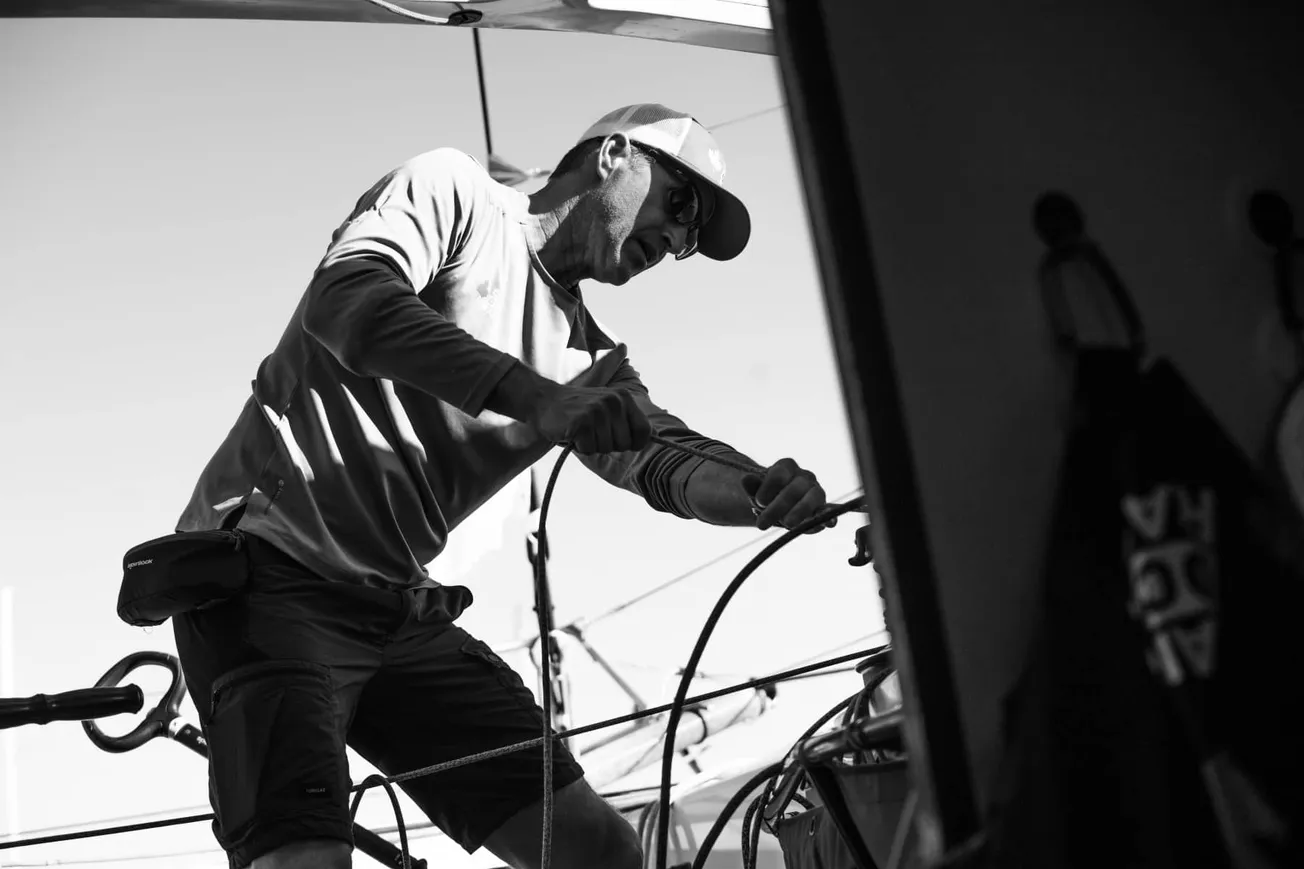


Scott Shawyer became infatuated with the Vendée Globe while watching the start of the 2020-21 edition during the pandemic lockdown.
He was cooped up at his home in Collingwood, Ontario, Canada, spending his days on Zoom calls with private equity firms trying to raise money to expand his engineering company. He was struck by what he saw while watching the start of the solo, non-stop, round-the-world race on YouTube.
“The skippers walked down the docks with their masks on, got to their boats, threw the masks off and jumped in their boats to sail around the world,” Shawyer said in our phone interview. “I just thought about my situation vs. theirs. Here they are, like the ultimate freedom, they’re on a boat, they’re not even affected by COVID, they’re going to sail around the world and here I am not allowed to leave my home because of COVID.
“I thought, ‘This is terrible. I need to kind of get some freedom in my life, and some adventure.’ “
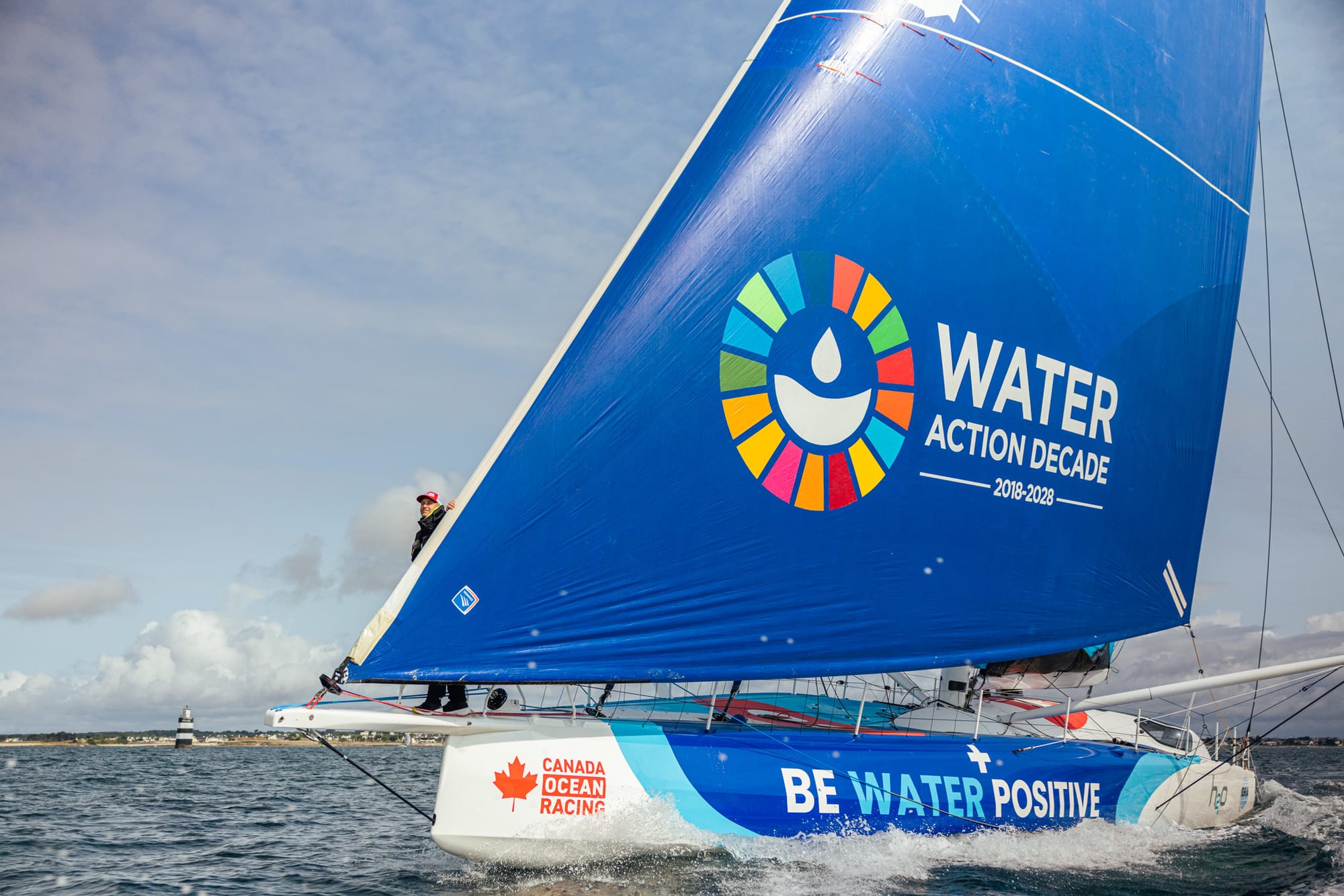
Suitably motivated, Shawyer founded Canada Ocean Racing and its Be Water Positive initiative with the goal of entering the 2028-29 Vendée Globe and becoming the first Canadian to complete the epic voyage. Two Canadians tried previously. Gerry Roufs was lost at sea during the 1996-97 edition and Derek Hatfield suffered a knockdown in the 2008-09 race.
But there was a big hurdle to overcome – seasickness.
That’s why, in December 2023, Shawyer found himself wearing a VR headset while swinging on a swing set at a park in Collingwood in an attempt to find the right medication...
Shawyer, 53, grew up sailing on Lake Huron’s Georgian Bay. He said he never got seasick until he began training for the Vendée Globe.
“It was terrible because after three days I don’t get seasick anymore. But every training session we have is three to five days long, so for most of my training I was sick,” he said. “It was pretty nasty and pretty horrible. I dreaded going to training, I dreaded going to the boat, I dreaded racing boats because I knew I was going to feel terrible.”
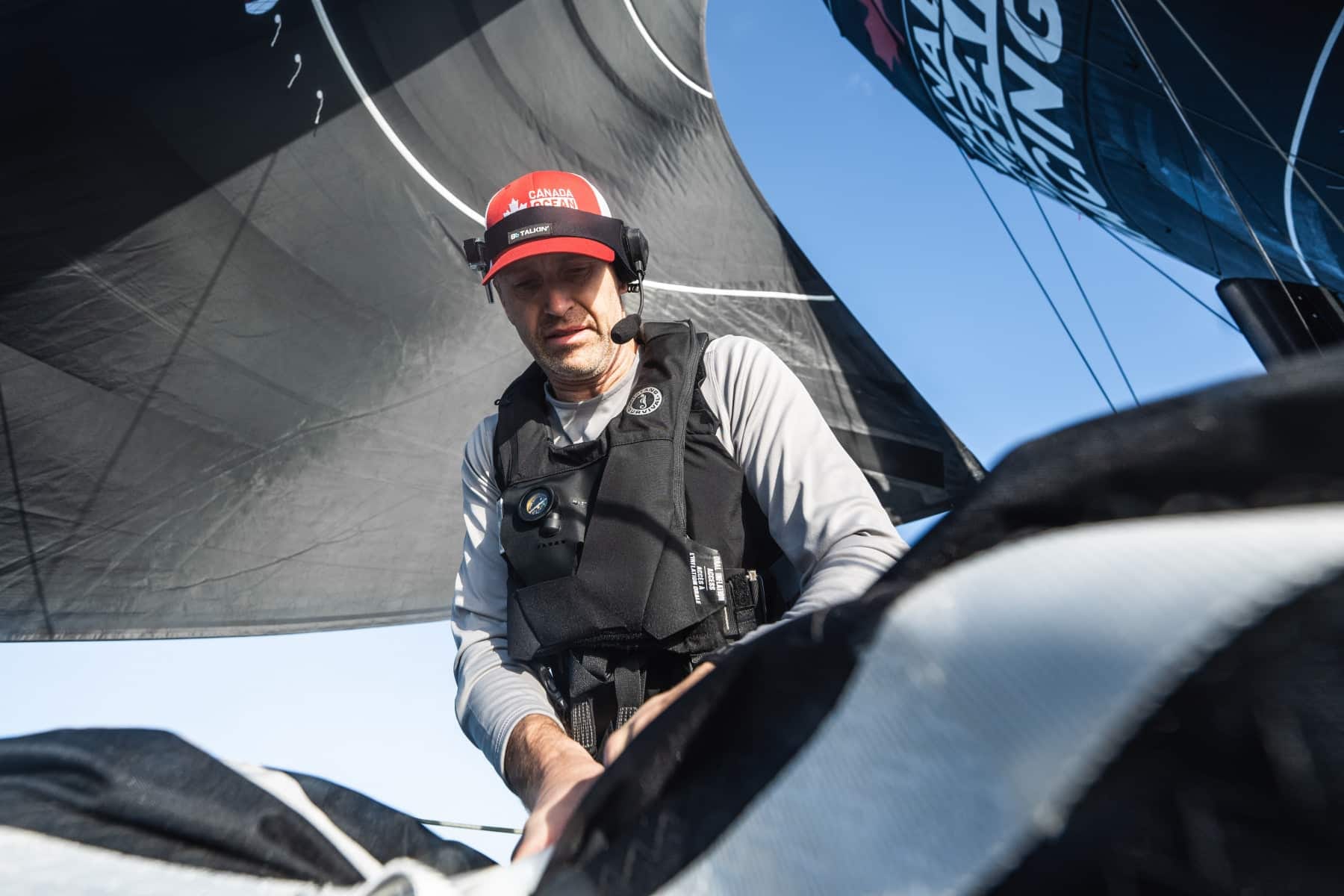
In October 2023, Shawyer and Nick Moloney – now the CEO of Canada Ocean Racing – entered the Transat Jacques Vabre, from Le Havre, France, to Martinique but had to abort because Shawyer got so ill. He recalls conditions being rough as they crossed the Bay of Biscay, with seven-meter waves and wind of 35 to 40 knots.
“I was sick, which was fine, but I was throwing up, and when I was throwing up I was losing consciousness,” he said. “We decided that was not an OK situation to be taking across the ocean, and since realized that it was because of the particular medication I was on. It was lowering my blood pressure, so that when I vomited, I lost consciousness.”
Shawyer researched an institute in Brest, France, that helps people overcome seasickness. He found that its method was to put people in a chair that moves vertically and have them wear VR goggles that show a wave pattern that’s different from the movement of the chair.
Shawyer and a friend who also suffered from seasickness improvised. They got on a swing set at a park near his kids’ school and wore a VR set with a wave pattern playing.
“You can make yourself feel pretty sick. That was a good test lab and I was able to test about 10 different medications over the course of a month,” Shawyer said. “I’d take the medication, go play on the swingset, record how I feel and then a few days later go do it again with a different medication.
“You’ve got these two middle-aged men going to the playground. It was in December as well because there was snow on the ground. We brought a bucket so if we had to be sick we weren’t throwing up on the playground. Played on the swings with our goggles. People thought we were nuts, absolutely.”
He settled on Scopolamine patches.
“It was great to find that medication was a big contributor to it and great to find that I don’t feel symptoms after three days,” Shawyer said. “You think of a race like the Vendée Globe that’s 60 to 100 days, well, it’s three days I’m going to feel bad and the rest I’ll feel fine. That’s not a big deal.
“Also, I’m getting more accepting of it, which is a big part of it. If you feel anxious about it and you’re dreading it, it makes it worse. It kind of is what it is now and I just have to accept it. It makes it a lot easier to tolerate it and makes it less severe.”
Shawyer said he felt much better when he completed his first solo transatlantic race, the 2024 New York Vendée race from New York to Les Sables d’Olonne, in 15 days.
Shawyer had been collaborating with Alex Thomson Racing but they separated in the middle of 2024 due to what he called “a misalignment of values.”
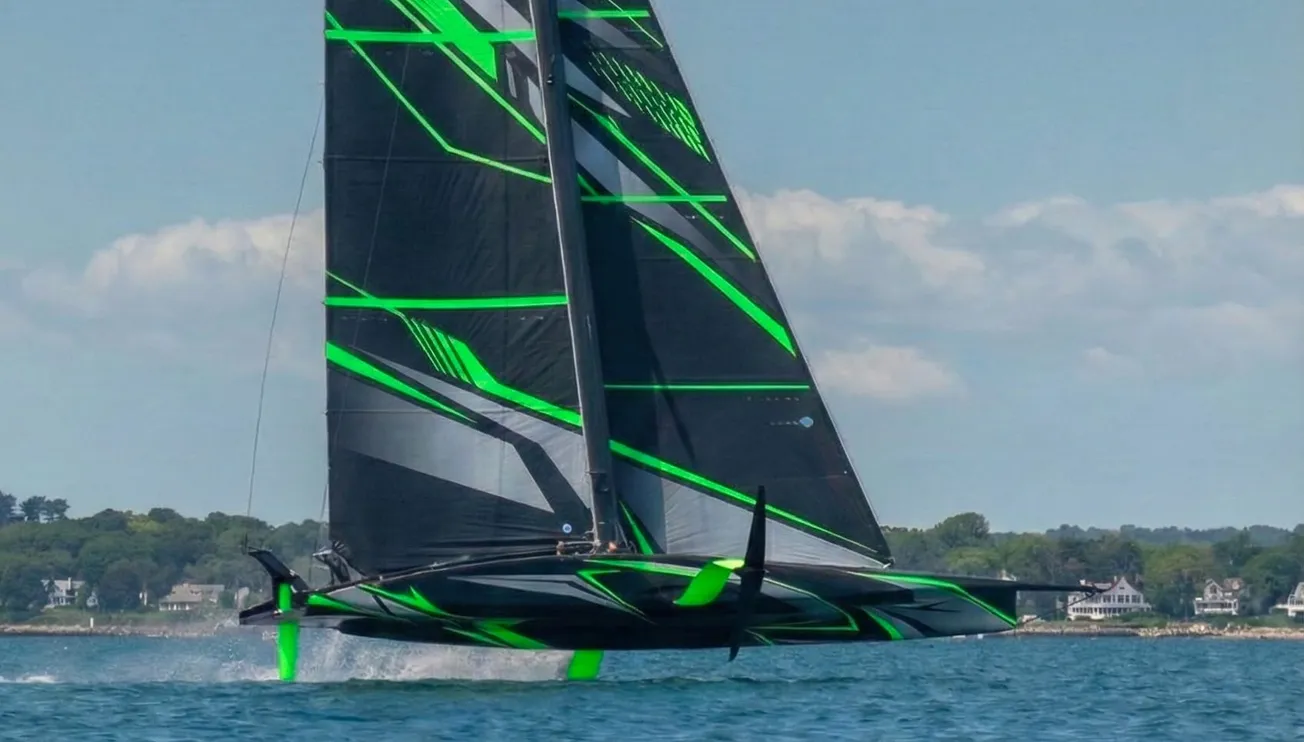
Canada Ocean Racing bought the current generation foiling IMOCA 60 formerly known as Groupe Dubreuil and originally 11th Hour Racing’s Mālama. It’s the boat that Charlie Enright skippered to victory in the 2022–23 Ocean Race and Sébastien Simon helmed to third place in the last Vendée Globe.
The boat was renamed Emira IV for his daughters Emma and Keira. It was launched in mid-May in Les Sables d'Olonne and moved to the team’s base in Lorient, France.
Shawyer said he’d never been in a foiling boat before.
“I was out last week and she is a beast,” Shawyer said. “Very powerful and fast. I have lots to learn. It’s a fast boat, so that can’t be an excuse.”
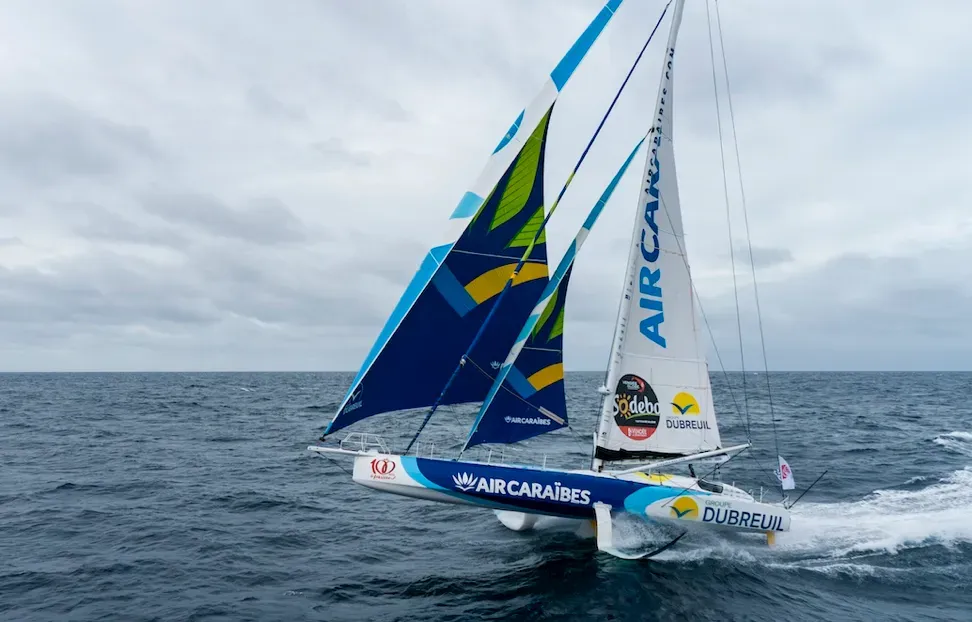
Up next in his program are the Rolex Fastnet Race 2025 starting July 26 and the Ocean Race Europe running from Aug. 10-Sept. 21.
Shawyer will be 57 during the 2028-29 Vendée Globe and is pretty sure he won’t do another one. He wants Canada Ocean Racing to be less about him and more about the future.
“I’d like to create a program for Canada that continues beyond me … and can bring skippers in,” he said.
Shawyer thinks the Vendée Globe is ‘one of the hardest sporting challenges on the planet’.
“There’s nothing where you're putting yourself under this much stress in these conditions for that long, that I know of,” he said.
But he’s up for it.
“I want to do it because of the challenge, to see what I can do. You’re here for one life and I like to test myself and just see what I’m able to do. I think with proper preparation and training you can safely do things that are dangerous.”