


Sailing an F50 catamaran for the first time is a daunting prospect for even the most experienced of sailors. Terrifyingly high top end speeds, internal organ crushing g-forces during manoeuvres – to say nothing of the ever-present threat of a major wipe out – make simply existing onboard a major challenge.
Given her background and experience as a multiple kitesurf title holder it's no real surprise that California's Moroz took it all in her stride.
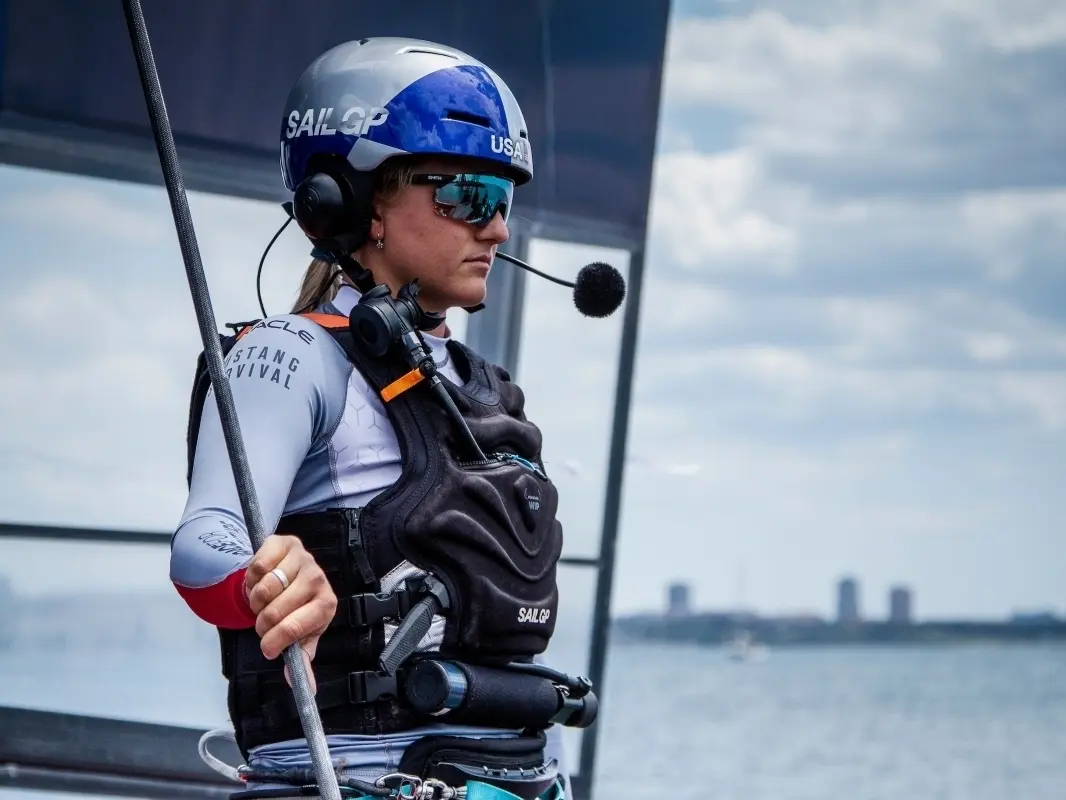
Born and raised in San Francisco Moroz – now 21 – won her first Formula Kite world championship in 2016 at the age of 15 and has since claimed four more world titles in the high performance foiling class.
It’s no real surprise then that she was not phased by the turbo acceleration and blistering pace of the F50.
“I’m comfortable hanging out at the back of the boat at such a high speed – I obviously trust our skipper very well – it has been an incredible experience and the speed has just been a cherry on top for me,” she says.
When, prior to the SailGP Season 2 grand finale event in San Francisco earlier this year, Moroz found she had a little free time on her hands during the training days and could not resist lining up against the fleet on her foiling kiteboard.
It turned out she could give the multi-million dollar cats and rockstar crews a pretty good run for their money.
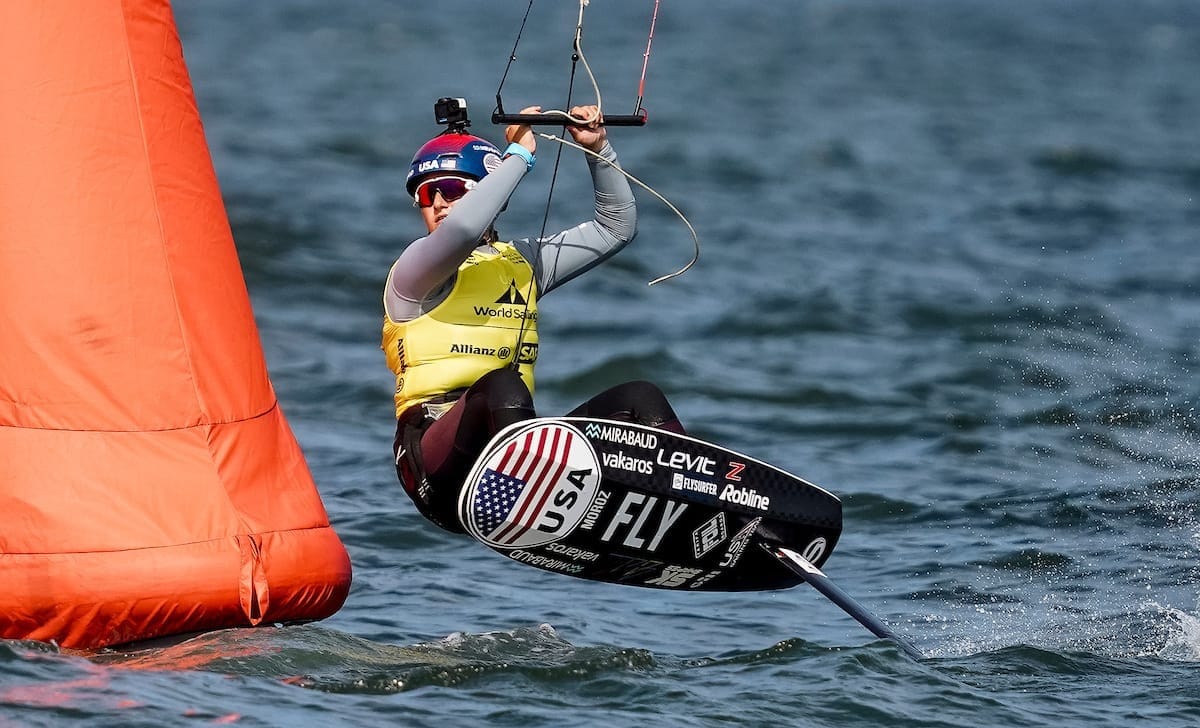
“The concepts are the same and you are going pretty much the same speed,” she says. “I was holding with them upwind, and they were a little bit faster than me downwind.”
I was watching that day as Moroz scorched around the bay – a tiny dot alongside the towering rigs of the F50 catamarans.
She appeared in complete control and utterly at one with her equipment. Her kite and her board seemed like extensions of herself that she could easily bend to her will.
From my vantage point her performance looked effortless and graceful, but, as Moroz explains, the reality is there is a lot going on all at the same time.
“Especially when you are going that fast, you can’t be reacting, you need to be anticipating,” she said. “You are just operating at a different level, a different wavelength.”
Moroz has her sights set on a gold medal at the Paris 2024 Olympic Games where kitefoiling will make its debut in Marseille.
As a teenager she was active in a range of other sports and admits to being spurred on by the incentive of beating her male competitors.
“I was always very competitive in other sports growing up. I played tennis, waterpolo, I was a swimmer – a bunch of different sports – and always just wanted to beat everyone. No matter what sport I did I just wanted to be the best and beat all the boys.”
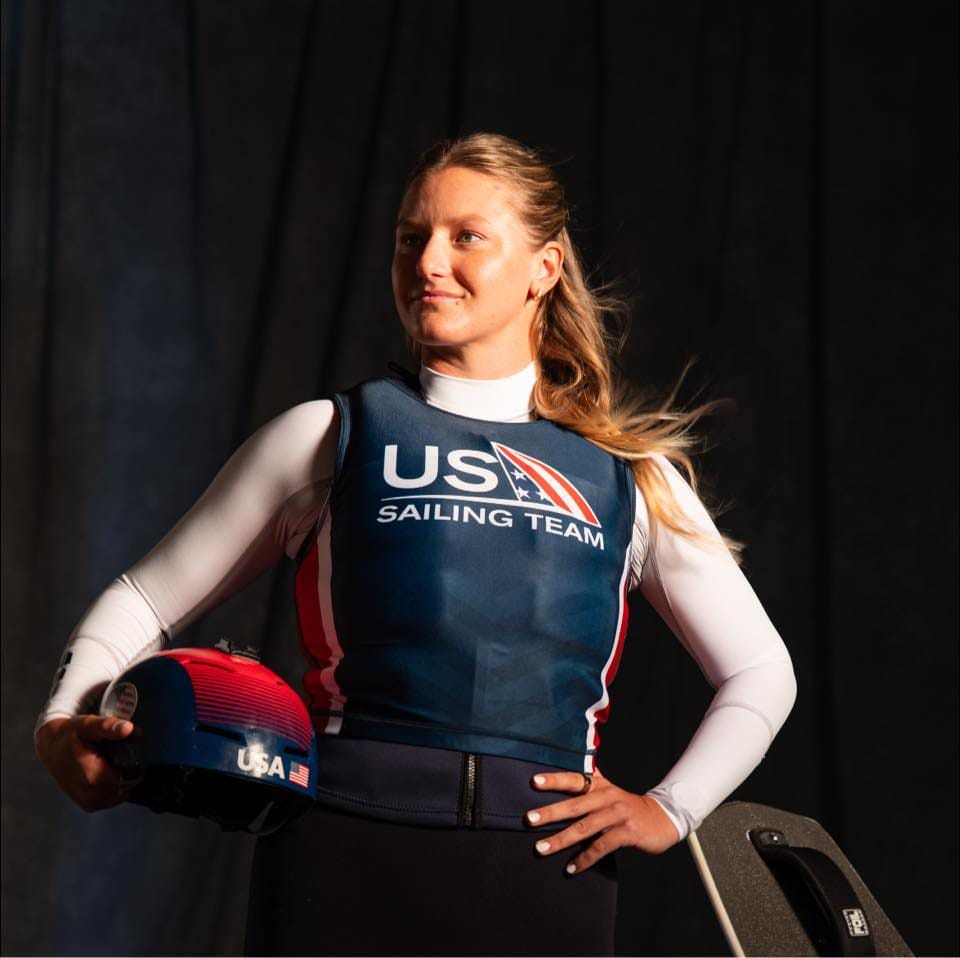
Moroz was introduced to water board sports by her parents who were both keen windsurfers. She was 12 when her dad began kitesurfing.
“Once I was big enough to either kite or windsurf I wanted to learn to kite,” she recalls. “That was in about 2012 and I just got hooked and I have stuck with it ever since.”
“I started racing in 2013-14 and did my first couple of international events in 2015 and I was just really excited to race and just completely stoked on the whole thing.
In 2016 Moroz realised that kiteboarding was more than a hobby.
“I knew it was something I really wanted to do and to pursue, so I put in a lot more time on the water over the summer when I wasn’t in school.”
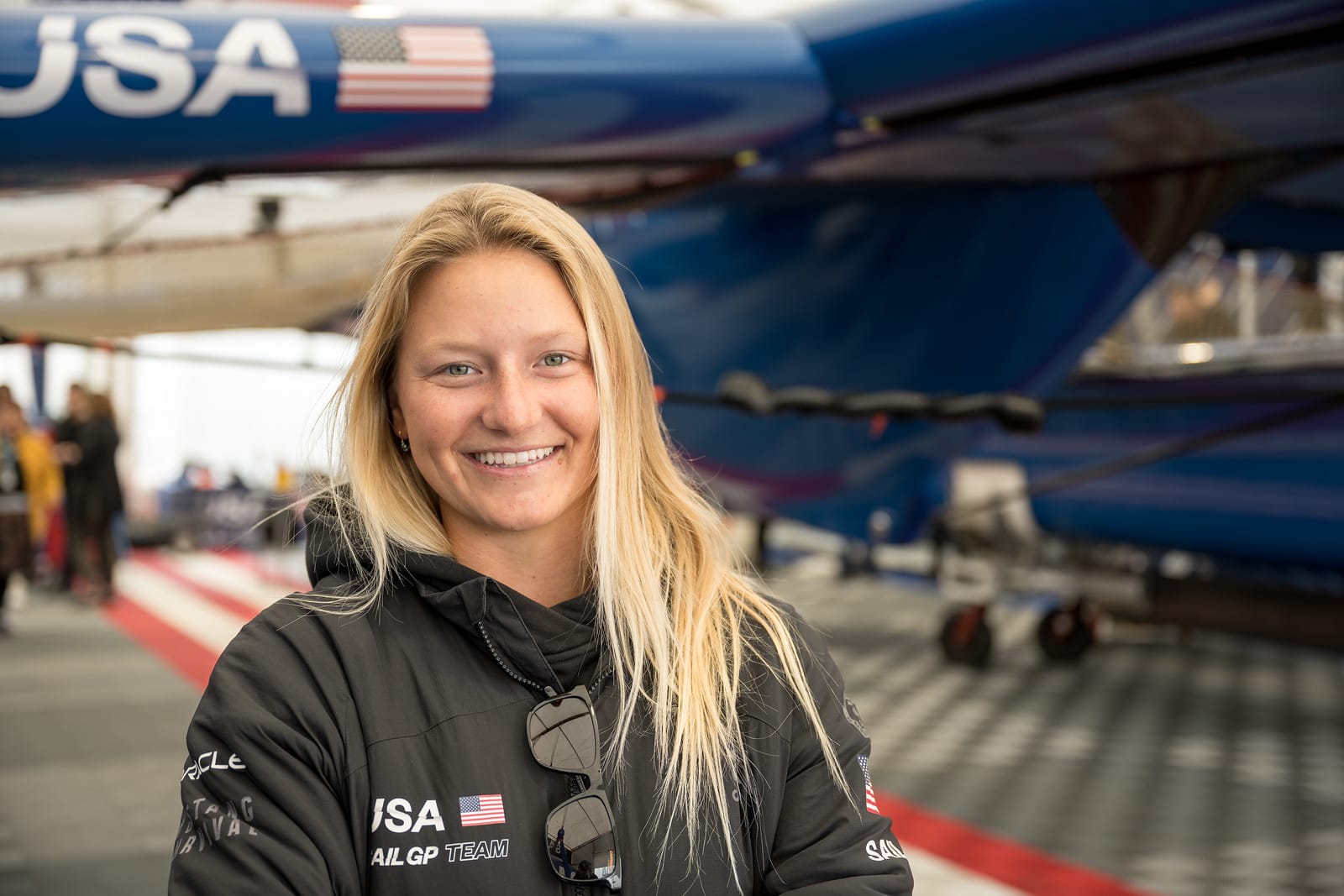
In 2013 she was still learning to kite when San Francisco hosted the 34th America’s Cup and Jimmy Spithill’s Oracle Team USA famously turned the tables on Emirates Team New Zealand to stage a stunning comeback to defend the Cup.
Moroz would go kitesurfing from the Chrissy Field beach as soon as the America’s Cup boats had finished racing and remembers that summer as a milestone moment.
“The 2013 America’s Cup was my first exposure to an event like that,” she recalls.
“The whole city was super into it. Sometimes it’s hard for big cities to recognise sailing and it’s difficult to get that sort of exposure for sailing, so it was so cool to have the America’s Cup at such an iconic city like San Francisco and to be racing at the highest level right on the city front.
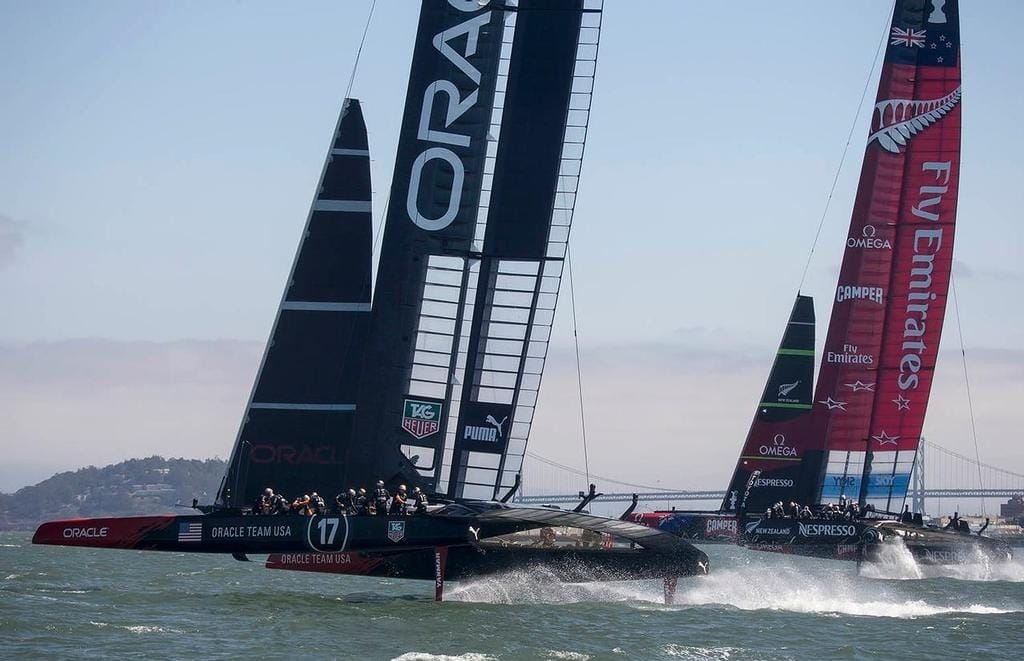
“I was just starting to kite and I went out kiting after they were done racing and it was cool to see such a big high performance boat at that time. To be part of something like that now is mind blowing.”
It’s a memory, she says, that makes Spithill’s selection of her for the US SailGP team all the more poignant.
Understandably, Moroz is prioritising her Olympic campaign over anything else – including even SailGP.
That means she is yet to race the American F50 in the heat of battle. She has, though, learned plenty from the string of training days she has clocked up since joining the team in Bermuda in 2021.
“It has been a kind of interesting balance,” she says. “But the guys have been super supportive of that and they know what my goals are in terms of Olympic sailing.
“It was definitely pretty crazy stepping into this whole new world, because obviously I didn’t have much sailing experience before,” she says. “So it was very overwhelming at first, but it has been a really cool experience and I have learned so much.”
Rather than being a distraction from her primary goal, Moroz believes her SailGP experience is contributing to her Olympic campaign.
“Everything I learn here I can apply to kiting and I think it all complements each other. It’s another kind of skill and it’s a way to upskill and get better – and that’s what I am here for.”
Like the majority of the female sailors embedded in the 10 SailGP teams Moroz races in position six – at the back of the boat behind the helmsman.
“I am just basically trying to learn as much as possible about the different roles, how the boat works, and trying to absorb everything,” she says.
“Then I will eventually get into a bit more active role once I get a bit more experience.”
When I asked her to compare and contrast the experience of sailing solo on her board to racing as part of the F50 crew, Moroz's answer was that ‘fundamentally, it’s the same but different’.
“I think it is a different experience but all of the foiling concepts are the same and very transferable,” she told me. “Everything I do kiting, it’s all happening on the F50 – just with some twists to it.”
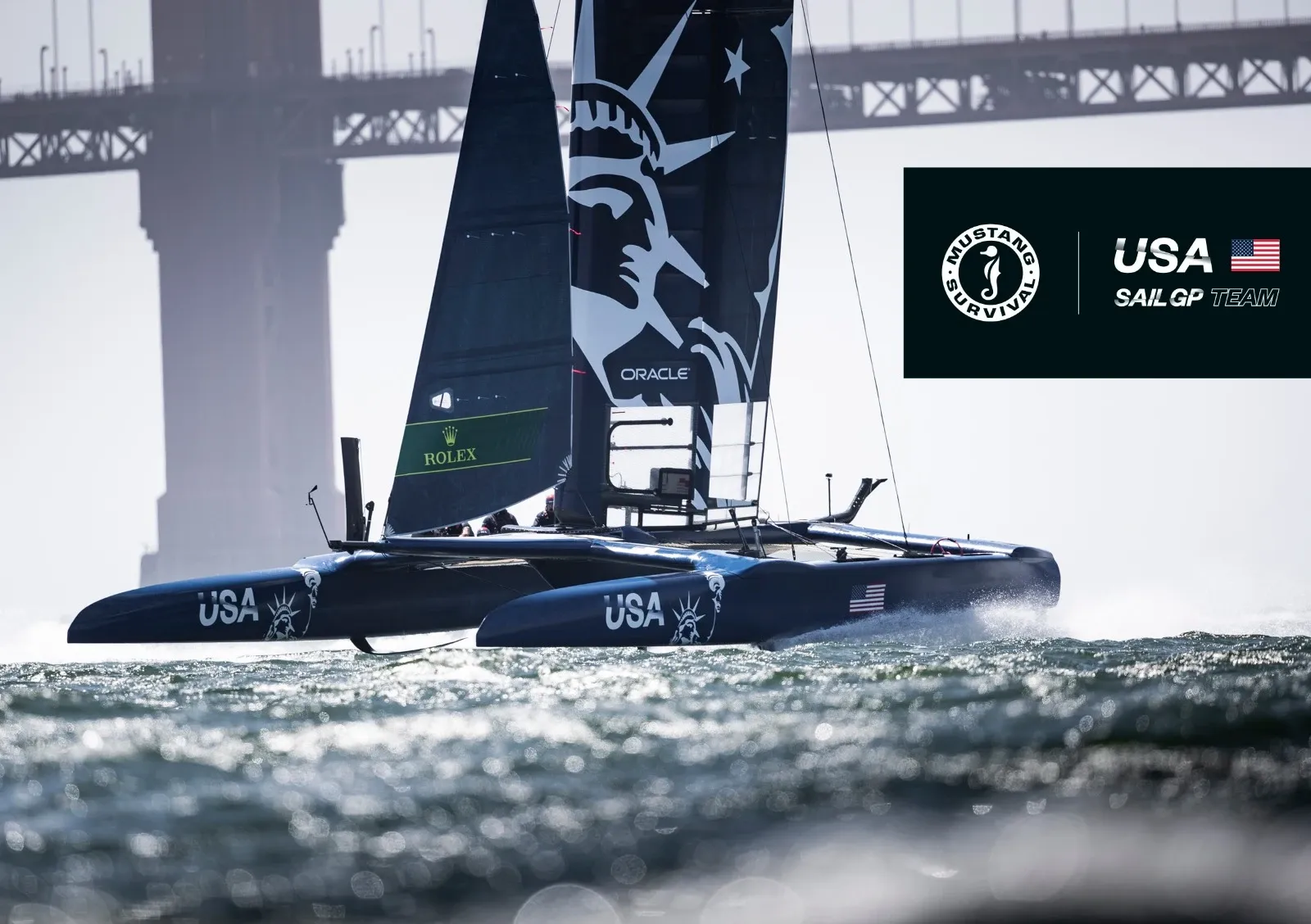
Moroz admits, though, that switching from singlehanded sailing to fully crewed racing aboard a complex ultra-high-performance catamaran has had its challenges.
“It is really interesting how you have to be in constant communication, especially the wing trimmer, flight controller and helm,” she says.
“They are always talking to each other about what they are seeing and what they are doing and what is happening on the course.
“That’s definitely something that I need to learn and to improve on because it’s going to be a steep learning curve for me.”
Although fulfilling her Olympic dreams is her priority right now, Moroz sees a future for herself within SailGP – particularly given the global league’s proactive approach to incorporating female sailors.
I love the idea of really pushing female professional sailing,” she says. “It will be a tricky balance with Olympic sailing for sure, but I am just here to learn as much as possible and become the best sailor I can be.
“Whatever way I have to do that, I will do that.”
Sign up for a Free Membership or for full access try a Paid Membership free 30-day trial.
No obligation. Cancel anytime.
FREE TRIAL


