
Yacht Racing Life is a reader-supported publication. If you enjoy our free content please consider signing up to receive our free email newsletter, or help the development of the website by becoming a paid subscriber.
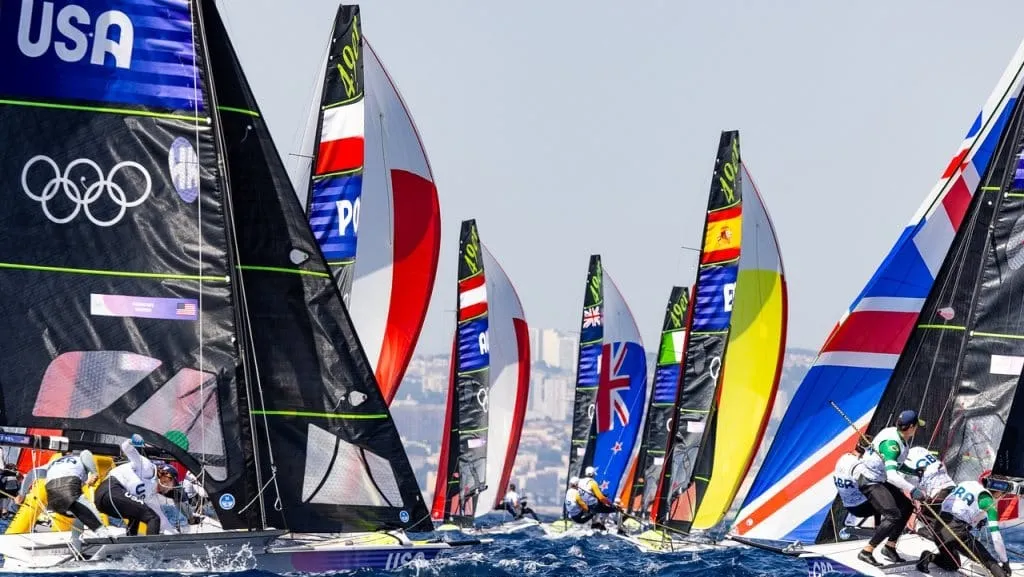
From March 27 to April 4, the Bay of Palma will once again follow its annual tradition of becoming the global focal point for Olympic sailing. The 55th Trofeo Princesa Sofía Mallorca by FERGUS Hotels will open the 2026 season of the Sailing Grand Slam, the circuit that brings together the most iconic Olympic-format multiclass regattas in the world.
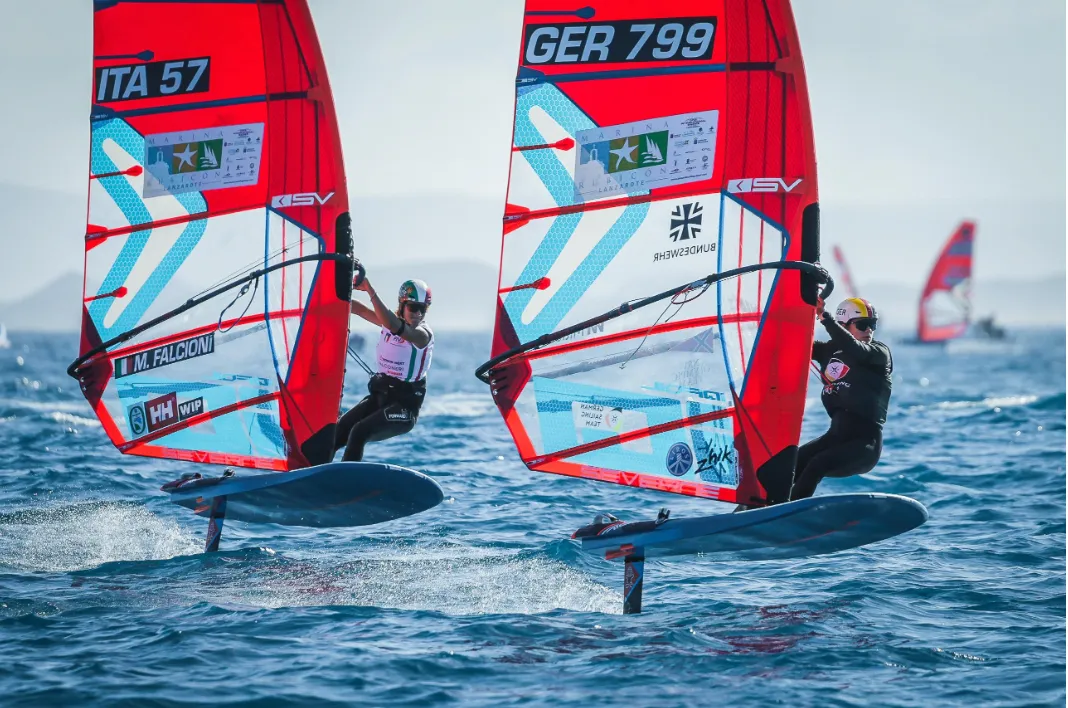
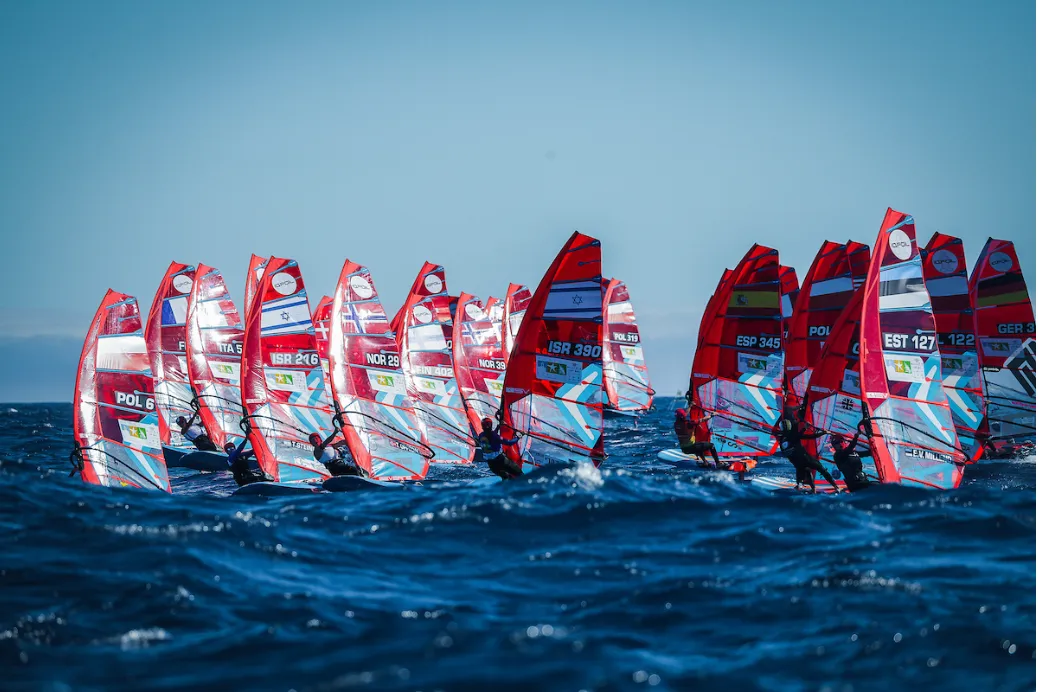
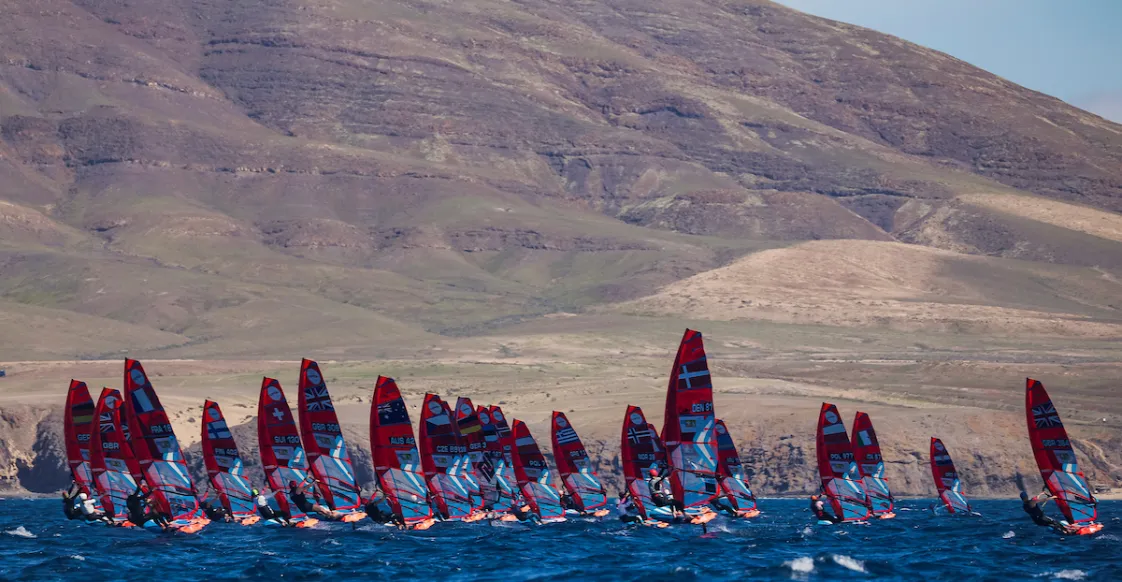
The event is open to the ten sailing disciplines that will compete for glory at Los Angeles 2028 and will bring together athletes from the women’s classes ILCA 6, 49er, FX, iQFOiL, and Formula Kite; the men’s classes ILCA 7, 49er, iQFOiL, and Formula Kite; and the mixed classes 470 Mixed and Nacra 17. With a little over a month to go before the start, nearly 140 teams have already pre-registered across the 49er, 49erFX and Nacra 17 classes.
The mixed crew format made its debut in Olympic sailing with one event in Rio 2016 and was consolidated with the addition of a second in Paris 2024. Los Angeles 2028 will be the second Games with two events for mixed crews, a formula that brings together the best male and female experts from each country on board the same boat.
Nacra 17: The pioneer
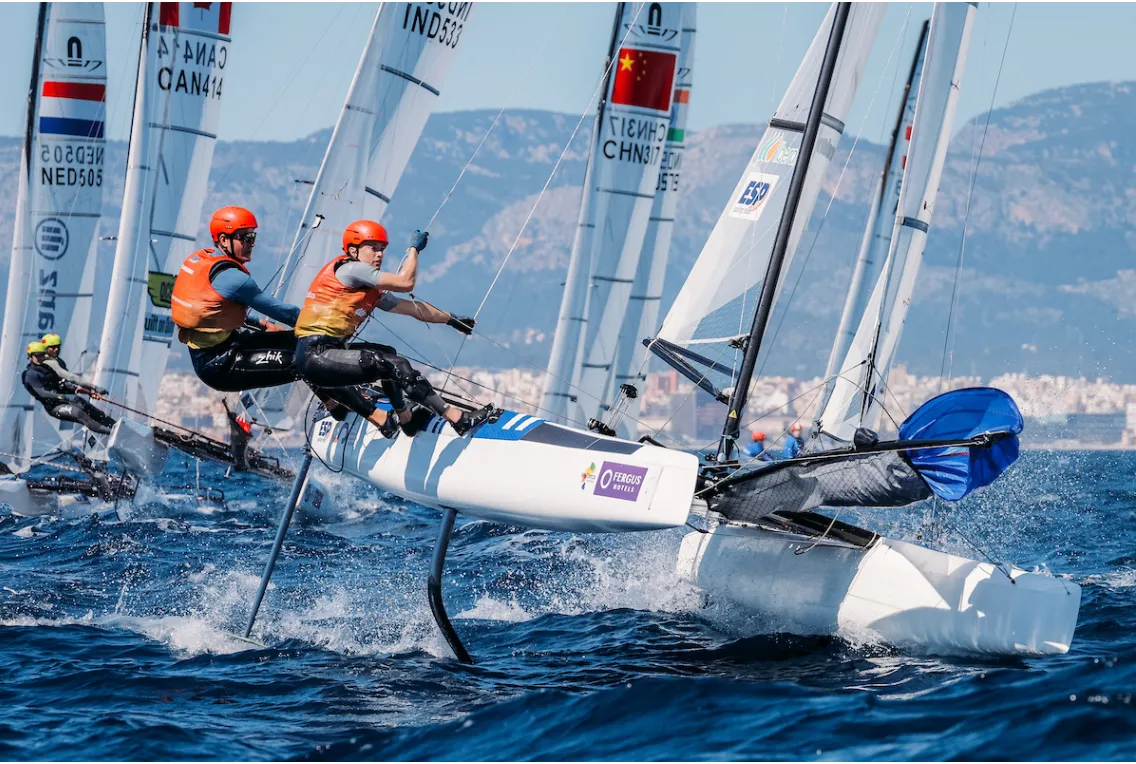
The Nacra 17 (known as the Mixed Multihull in the Olympic programme) made its debut in Rio 2016, replacing the Tornado catamaran to become the first Olympic sailing discipline requiring a mixed crew.
Since then, its evolution has been relentless, including a substantial leap in the Tokyo 2020 cycle with the incorporation of foils, which allowed it to join the select club of flying boats.
In the run-up to its fourth Olympics, that revolutionary concept of combining male and female talent on the same boat is now well established after proving its popularity.
Joan Cardona, from Mallorca, bronze medallist in the Finn class at Tokyo 2020, will compete in Sofia in the Nacra 17 alongside his partner Nicole Van der Velden. “It’s my first experience in a mixed crew, and I’m really enjoying it. I think we bring a lot to each other: she is calmer and more faithful to the process, and I am a little more imaginative on the water.
Between the two of us, I think we complement each other very well and push each other to work hard. I think this has helped us reach a fairly high level in the Nacra 17 in the short time we have been together.”
Cardona saw his debut cut short in the last edition due to health problems, and he acknowledges that his expectations for the Sofia are really focused on returning to competition: “We haven’t done any regattas since Hyères last year. It’s about finding out where we are and seeing where we need to improve so we can continue moving forwards.”
Among the teams that have already confirmed their participation are the defending champions and current world champions, Britain’s John Gimson and Anna Burnet, who were virtually untouchable last season, winning almost every regatta they entered.
In recent years, however, the Italians have largely set the benchmark in the class. The dominance of Ruggero Tita and Caterina Banti defined an era, before Banti’s decision to retire from Olympic sailing opened a new chapter. Since then, social media posts have fuelled speculation about a possible comeback for Tita, though there is no clarity yet on when, with whom, or even if it will happen.
Could we see him lining up at the Trofeo Sofia? For now, it remains one of the biggest question marks heading into the event.
As the first major Olympic classes regatta of the year, the Sofía has been chosen to test several changes proposed by World Sailing to increase excitement and appeal at the next Games.
Ferran Muniesa, the event’s technical director, explains: “The changes will affect race schedules and especially the Medal Race format: all classes will contest two finals instead of one, except Formula Kite and iQFOiL, which will continue with a configuration similar to last year’s edition. The aim is to ensure that any team reaching the Medal Race has a real chance of winning a medal.”
With fresh rivalries emerging, potential comebacks on the horizon and a revamped format designed to raise the stakes, this year’s Trofeo Sofía promises to set the tone for an intriguing and highly competitive Olympic cycle ahead.