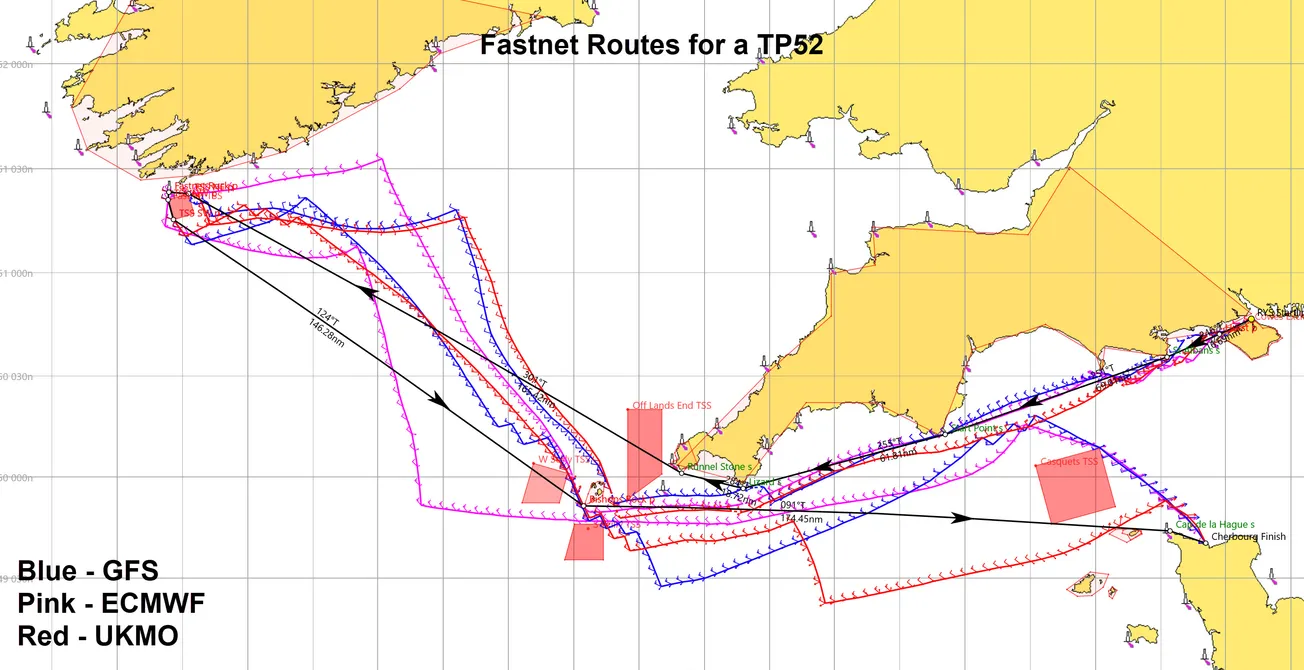
With the 2025 edition of the Rolex Fastnet Race a little over 24 hours away it is a suitable time to take a look over the conditions and the challenges the fleet will face.
No doubt many of the returning competitors from the last two editions will be looking at the weather for this year’s race with some sense of relief. Both in 2021 and 2023 the fleet faced a challenging forecast with 30+ knot upwind conditions on the first day of this race. In comparison the outlook for this years’ race looks much more moderate.
Synoptic Overview
For the duration of this year’s race the Azores High will be well established to the southwest of the race area, and it is set to remain this way well into next week. This means in broad terms the gradient wind will be north westerly but despite relatively stable synoptic conditions there will still be plenty of challenges and tactical decisions to be made.
Whilst the global models all being broadly in agreement (ECMWF, GFS and the UKMO model) allows some confidence when looking at the optimum routes, the devil will undoubtedly be in the detail. The fleet will have to manage the subtle changes in the winds circulating the high which will bring into play troughs and ridges modifying the wind field over the racecourse. Land effects will also be important, as will the tidal currents which are always a crucial factor in establishing the best route for a successful Fastnet.
Routing
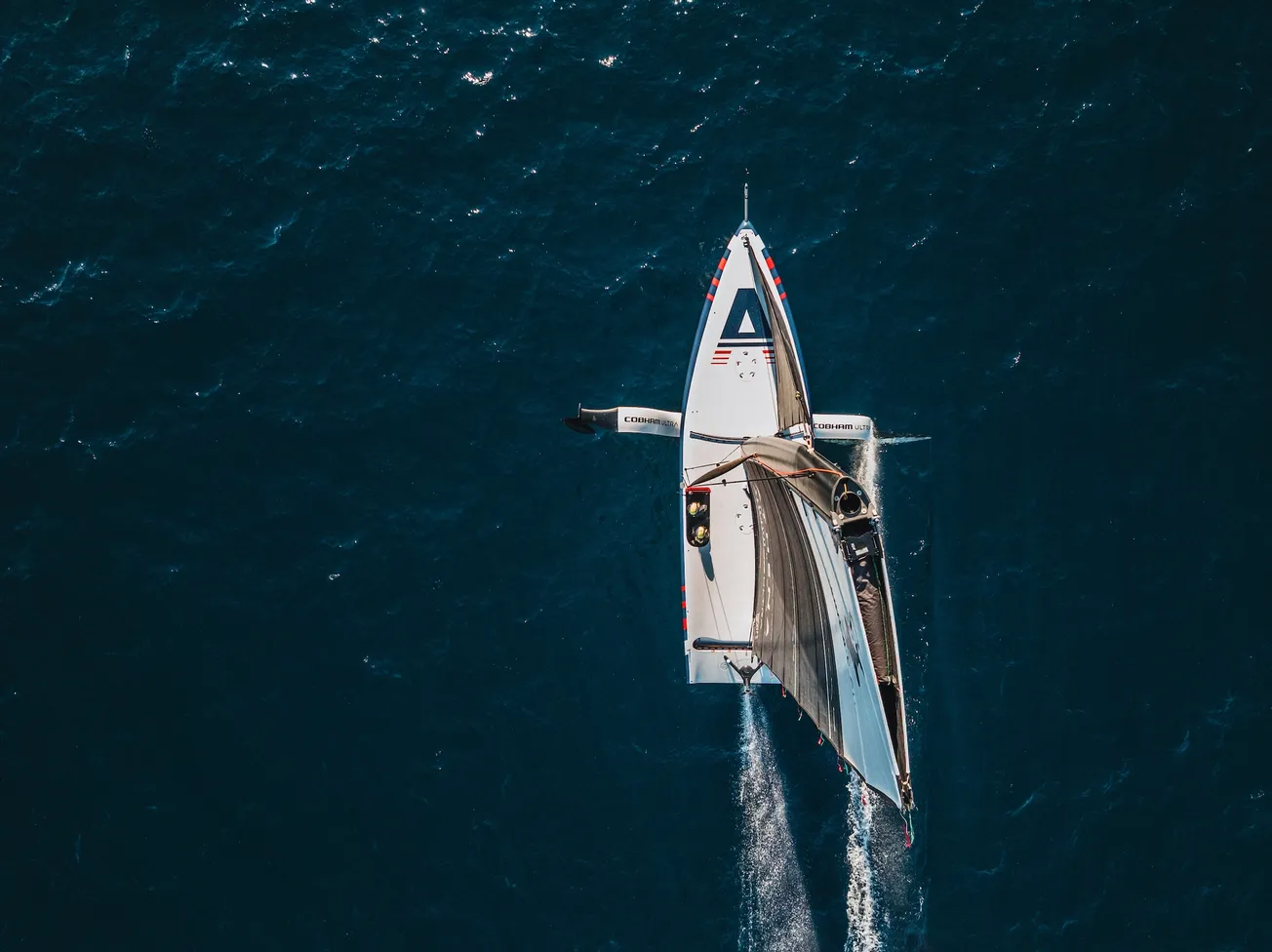
With the return of the Admirals Cup this year’s Fastnet Race will undoubtedly have some additional intrigue as the two classes compete in the finale of the championship. With a three times points coefficient, the race will no doubt be deciding the overall winner. For this reason, I thought it would be interesting to take a more detailed look at the routing using the polars from a TP52 which should be representative of the speed of the bigger class in the AC.
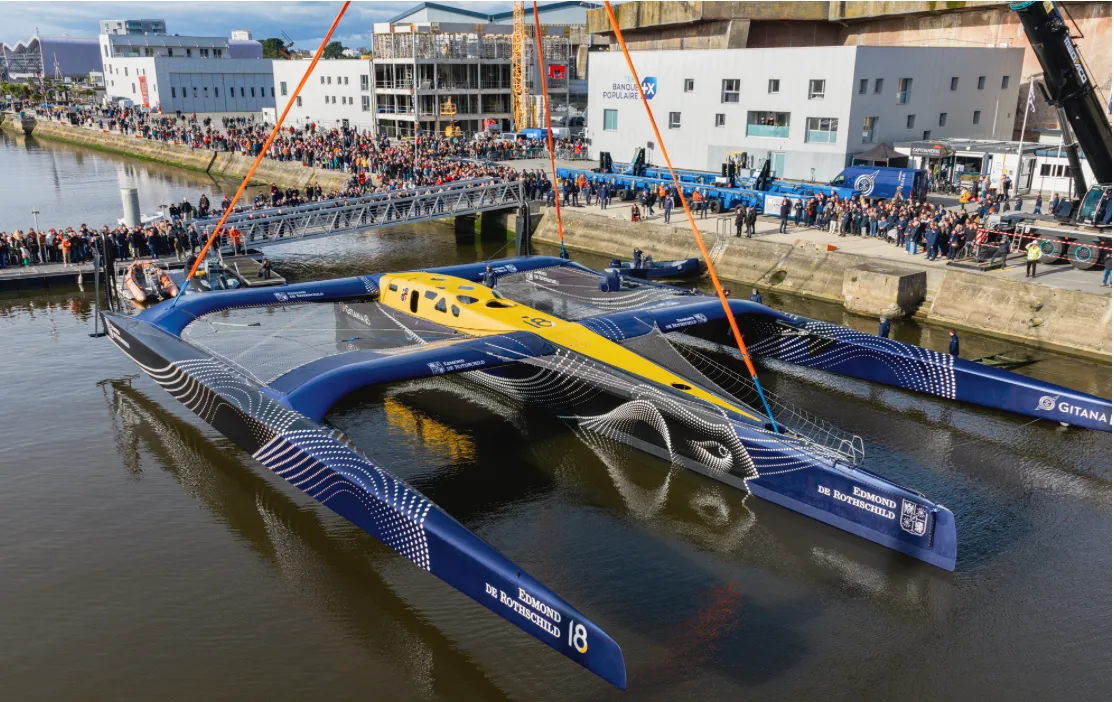
However, having looked through the optimum routes of a range of boats from an Ultim trimaran to a 40ft cruiser racer the overall strategy is broadly similar.
Everyone will encounter an upwind start, some tight reaching down the south coast of the UK before the race becomes a big windward leeward, upwind from Lands End out to Fastnet Rock and then a long downwind leg back to the finish in Cherbourg.
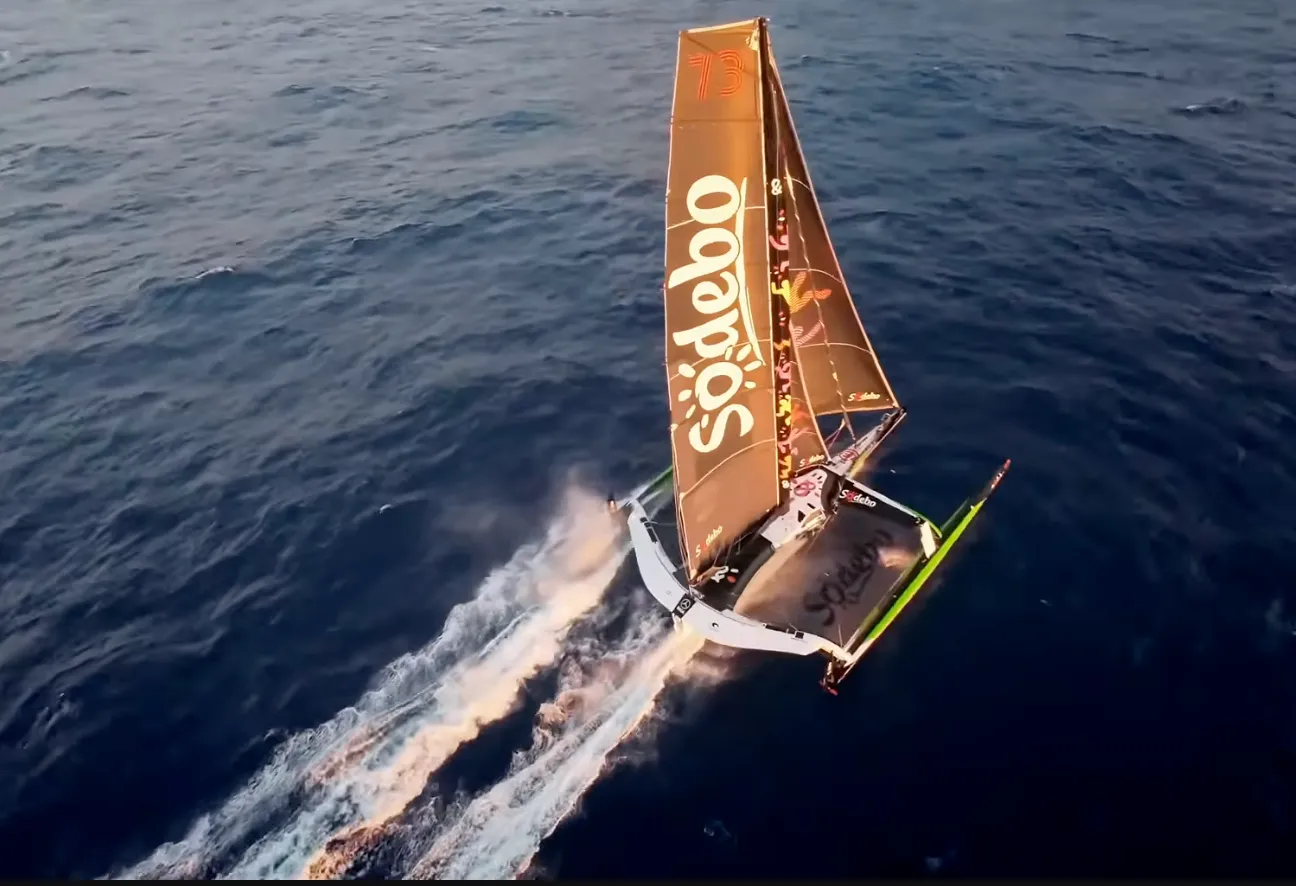
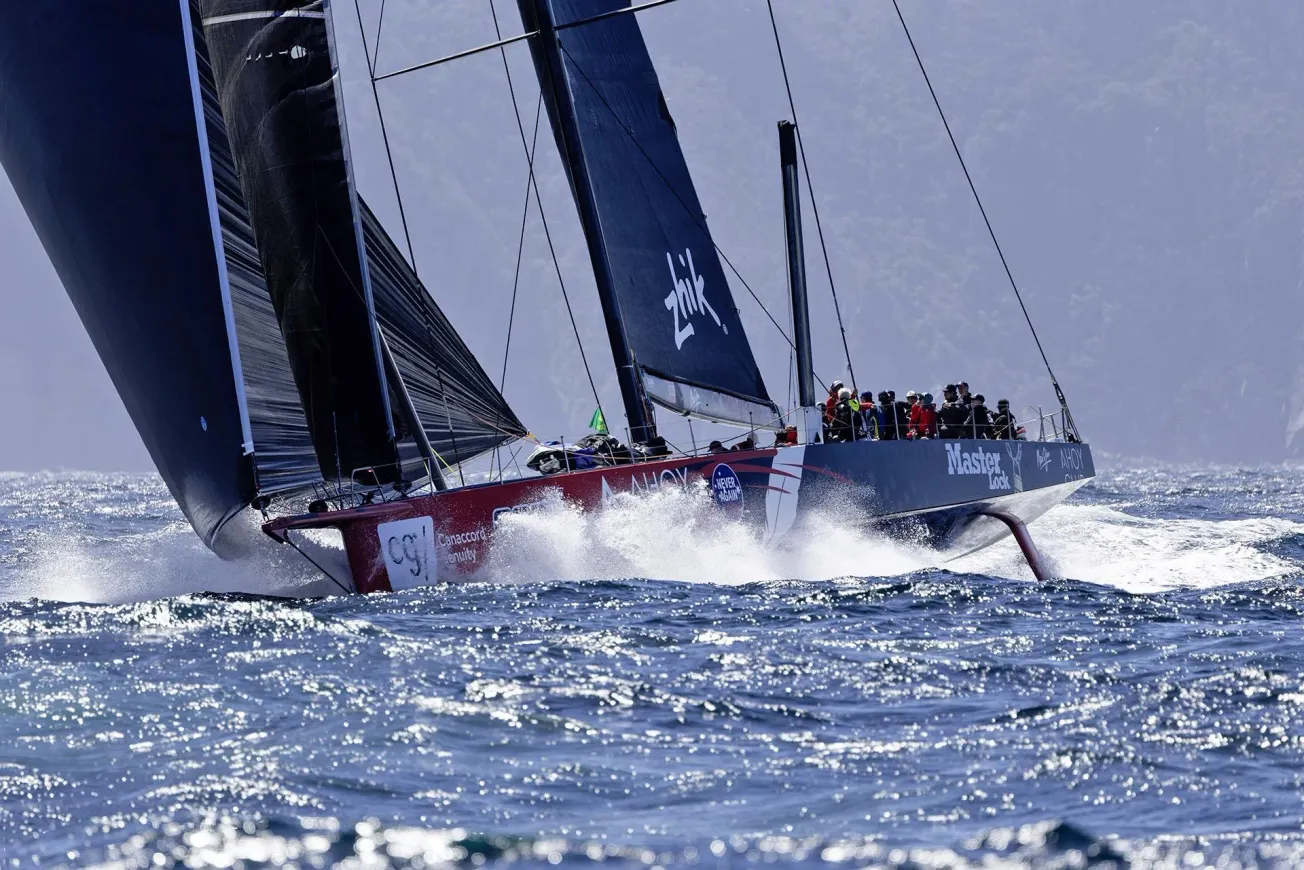
Despite the focus being around the speed of a TP52, hopefully some of the tactical considerations are relevant for a wider range of boats. The majority of wind speeds are set to be between 10-18 knots which won’t make this year’s race a record breaker, routes for the Ultim Class were just under two days, the 100 foot maxis two and a half and the 52’s will likely take about 3 days to complete the course.
For the smaller slower 40-foot cruiser racers which won’t make the important tidal gates along the UK coast elapsed times are likely to be slightly in excess of four days.
Using the timings for the 52’s I have attempted to breakdown the forecast and routing for this year’s race and what the fleet are likely to face and the decisions they will have to mull over for the next few days.
Garmin quatix® 8 – 47 mm, AMOLED: The Ultimate Smartwatch for Yacht Racers
The Garmin quatix® 8 – 47 mm, AMOLED is more than a smartwatch – it’s a race tool for serious sailors. With GPS-assisted start functions, full Garmin marine integration, and a stunning AMOLED display, it’s built to give yacht racers an edge on and off the water.
The Start
The start is from the Royal Yacht Squadron line off Cowes on Saturday. With High Water Portsmouth at 1322 and the starts from 1110 for the multihulls until 1320 for the smallest boats the fleet will either be starting in slack or building favourable west going current as they make their way down the Solent.
From a strategic point of view, they will all be looking at making maximum use of this by staying in the deeper water. The wind forecast however is more complex. The local winds will be light initially, five to seven knots from the west or northwest, but as the day warms up we expect to see a shift to the southwest around start time and wind speeds building into the mid to upper teens by midafternoon.
For the fleet, the higher resolution local models like the UK-V and Arome will be useful in determining how the breeze builds in and which side of the course to favour. Currently they are suggesting that the south-westerly build will initially be stronger towards the mainland shore so I wouldn’t be surprised to see the bigger boats favouring this side of the course, especially if the wind speed is still building.
No doubt another 24 hours of model runs will provide better insight, but at this stage it also looks like that rain showers could be possible, and these would have the potential to mess up the local wind field and another layer of complexity into the start.
The UK Coast
Upon leaving the Solent, taking advantage of the favourable current in the Needles Channel (whilst avoiding the Shingles Bank) the boats will be faced with a choice of heading further offshore or tacking up into Christchurch Bay – forecasts indicates that the winds will be more left shifted offshore as the SW winds funnel up the channel, but further inshore it could well be lighter but with a decent right hand shift, with the winds coming off the land in a more north-westerly direction – a theme that looks set to play out for much of the UK coast.
There will be a decision to make as to whether to go for the shift or the pressure. The correct answer will probably be a balance of the two whilst correctly lining up the passage of St. Albans Head.
With favourable current and a sea state that won’t be boat-breaking like the last edition the tidal race over St. Albans ledge looks to be in play. The 52’s will be passing here at around 1500 on Saturday afternoon and it appears that there could be some nice gains to be made by doing this correctly, especially at a point in the race where there will no doubt be some close battles.
By lining the ledge up correctly and taking just before the ledge you stand to be swept up into the stronger current providing a good boost as well as a tidally induced right hand shift.
From here the fleet will continue upwind towards Portland Bill in 16-18 knots of WSW wind, which at this stage has a 52 comfortably making the tidal gate, passing Portland at around 1730 – which gives a margin of a little over an hour before the tide turns. For the smaller boats, this tidal gate could end up being decisive, especially if conditions end up being lighter than expected.
As the boats make their way past Portland and into the evening the wind will shift right into the NW providing the first opportunity in the race to ease sheets and enjoy some reaching conditions. It will continue to be forward of the beam so it’s unlikely that in 16-18 knots the opportunity to get some bigger sails on will present itself but at the right angles the genoa staysail will come into play and hopefully some higher boat speeds.
The tactical challenge will be to pick the right angles to maximise speed down the track, whilst staying far enough north to get the benefits of the right-hand shift which will come off the shore first.
Again there will be less pressure up in the bays so it is unlikely that you will see boats deviating too far from the rhumb line in this section, but it will be a subtle game, with some potential to make gains to and get bow forward before the wind eases slightly overnight.
With routes passing Start Point around 2230 on Saturday this will be the first headland with adverse current. It may prove to be more prudent to stay a little further offshore and avoid the accelerated tidal flow on the headland. Not least because to get any relief close inshore would mean being right in by the rocks where winds will ease off as the land cools down into the night and detaches the winds from the surface.
The same looks also set to apply for Lizard, with routes passing around 0400 whilst sailing just wide of close hauled. There may be a chance for catching the back end of the favourable current. However, the safest option is to stay slightly offshore and avoid the risk of getting caught in lighter winds closer to the point where the tide will also change first.
From Land's End to Fastnet Rock
Once the boats have cleared the Lizard there may well be a brief opportunity in the early hours of Sunday morning to enjoy a break from dealing with tidal currents and the land affecting the NW gradient breeze. However, the next tactical decision will be looming large as the fleet approaches the Scilly Isles.
Here it will be important to look at what is happening around the NE edge of the high-pressure system. Currently models are indicating that a trough will be moving around the high on Sunday, which will cause the NW winds to ease just west of the rhumb line to the Fastnet.
One of the challenges of the Fastnet race is picking the correct lane through TSS exclusion zones off the Scilly Isles which often provide an opportunity for a split in the fleet. At this stage, the global models see little to be gained by tacking up early between the eastern-most TSS and land End given that it will be upwind to the Fastnet.
However there appears to be some choice in whether you pick a lane to the east or west of the Scilly Isles.
The big picture for Sunday shows a shift to the right as you sail up the Irish sea and the area of light winds associated with the trough moves east and then away to the south. A later tack west of the Scilly Isles on Sunday morning could yield a better left-hand shift to use to get north into the Irish sea but going too far could land boats in lighter winds compared to those who choose to get onto port before the Scilly Isles.
With winds forecast to be in the 8-10 knots range a difference in 1-2 knots could be quite decisive.
Once the decision is made on what side of the Scillies to pass, it looks to be a case of managing the upwind mode throughout Sunday into the afternoon and evening as you sail a fast upwind mode on port tack.
Boats will have to pick the right moment to tack Sunday evening – the trough will now be well off to the south off the Brittany peninsula, but a ridge will be pushing into the west of Ireland, shifting the gradient right again as it increases over the afternoon. It will be important to time the tack correctly. Tacking too early risks having boats rotate inside you as the wind veers, but go too far and the inside boats could find themselves in less wind as the wind shadow extends off the Irish Coast overnight.
No doubt as boats close on the Fastnet rock and negotiate the TSS zone in the early hours of Monday morning in 10-12 knots of wind, they will be looking forward to the end of a long beat and ready to enjoy some downwind conditions.
Coming back down the Irish Sea to Bishops Rock
Once around the Fastnet Rock there looks to be a brief period of Code 0 reaching on starboard down the boundary of the TSS zone, which must be left to port, but with that out the way it will be into a VMG run working the shifts back down the Irish Sea.
The models, despite being broadly in agreement, start to deviate slightly at this stage. The timing of the ridge passing over Ireland and back into the Irish Sea appears to be the main feature to consider.
Currently it looks to move across on Monday morning and behind it winds will increase and shift back to the left. An early gybe after clearing the TSS zone off the Fastnet takes the routes back into better pressure and setup nicely for this left-hand shift.
These timings set the routes up for a close passage around Bishop Rock and once again presents the option for a split in the fleet as they have to negotiate the various lanes through the TSS exclusion zones. A boat trailing at this stage may well have the option to get onto port to come down the Irish Sea earlier however the likelihood of being able to make significant gains at this stage looks determined by whether the lead boats get hit by some adverse current around the Scillies, causing some compression in the fleet, before settling onto port gybe to head back up the English Channel Monday evening.
Bishop Rock to the Cherbourg Finish
Between Bishop Rock and the finish routes appear to favour staying in the northerly half of the Channel. Again, the shape of the high-pressure is important to consider – and the position of any associated ridge which looks likely to settle over the Brittany Peninsula on Tuesday.
This could well yield better windspeed to the north as well as setting boats up for the more left shifted winds further east in the Channel. This is not a given at this stage though – and a minor change in the position of the high will alter the strategy for this final part of the race.
It appears that leaving the Casquets exclusion zone to the north could be a safer choice at the moment, but this could all change. The currents around the Cherbourg are also significant so coming into the finish they will also be a key factor.
There is not only the current in the Channel but the Alderney race running in a more north and south axis so there is a risk of big gains or losses if someone gets the timing right or wrong.
Despite what on the face of it appears to be a fairly straightforward race with a stable weather pattern, there are inevitably many features to consider. Whilst it is not going to be a punishing race in terms of big winds, it will no doubt be an incredibly challenging race which will be fascinating to see play out.
There is no doubt in my mind that someone racing a 52 in this year's Fastnet will be happy to see the finish late on Tuesday afternoon after three days of hard racing.
Good luck to everyone taking part!
ABOUT SIMON FISHER
Best known as SiFi, Fisher is amongst the world’s best offshore racing navigators. He is a five time competitor in The Ocean Race and has won the gruelling around-the world race on two occasions. SiFi is director at Diverse Performance Systems – a British company which provides onboard systems for racing and performance cruising boats, as well as superyachts – where his vast experience as navigator has benefitted many projects.