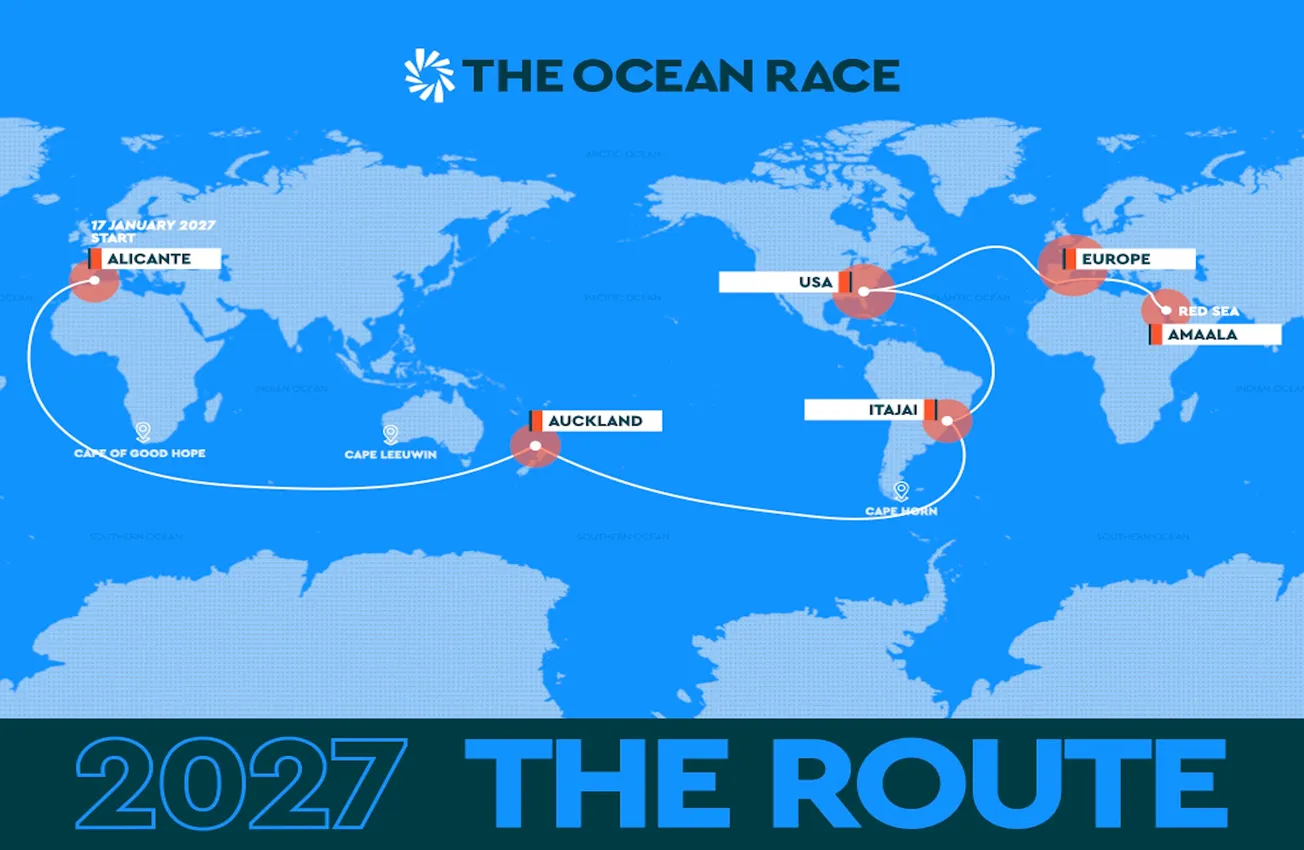
On January 17, 2027, the world's best sailors will depart from Alicante, Spain, embarking on an unprecedented first leg that will take them to the other side of the planet to Auckland, New Zealand.
It will be the longest opening leg in The Ocean Race's 53-year history. The extraordinary 14,000 nautical mile passage will set the tone for what is widely regarded as the toughest test of a team in sport.
"As it has for more than 50 years, The Ocean Race represents the pinnacle of professional offshore sailing," said Richard Brisius, Race Chairman of The Ocean Race. "The 2027 edition raises the bar once again with a route that will challenge even the most accomplished sailors in our sport. The opening leg to Auckland is a statement of intent: this is offshore racing at its most extreme and most thrilling."
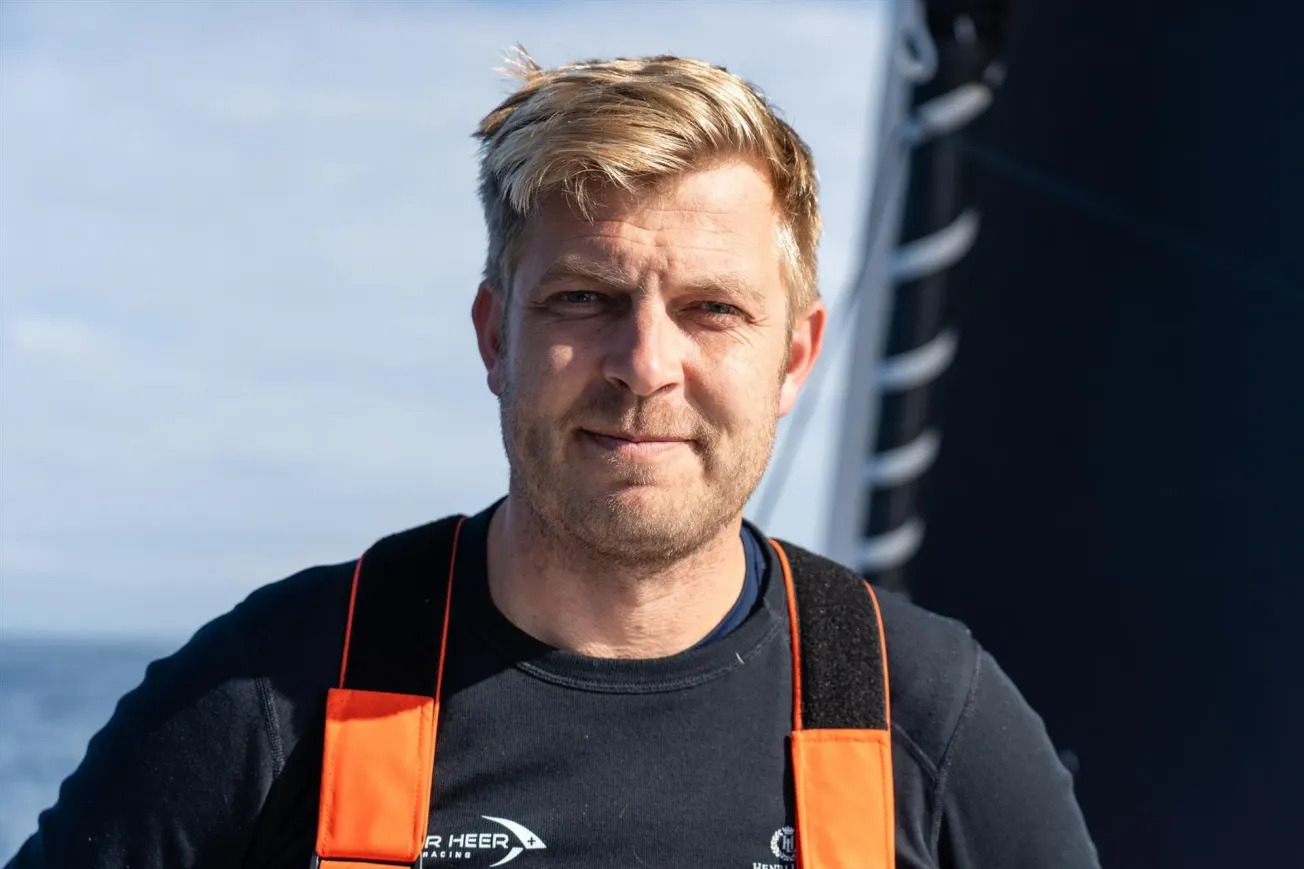
“This is an amazing way to start The Ocean Race: with an epic leg that takes us halfway around the world from Alicante to Auckland. For sailors, this is what we love, spending time at sea, racing against top competition and taking on big challenges. This is where you learn about yourself and your teammates and forge bonds that last a lifetime,” commented Boris Herrmann, skipper, Team Malizia.
The 2027 race features a spectacular global itinerary with four iconic stopover ports already announced and the full race route to be confirmed in the coming months:
The Race Start will be in Alicante, Spain on 17 January 2027. The historic Mediterranean city and home of The Ocean Race will be the ‘Alicante Puerto de Salida’ (the start port) and launchpad for the world's toughest offshore race for the sixth consecutive edition.
A return to the City of Sails
The race crews will have to be at the top of their game right away with a record-breaking opening leg from Alicante to Auckland, New Zealand, taking teams south down the Atlantic, around the Cape of Good Hope, across the Southern Ocean and into the Pacific.
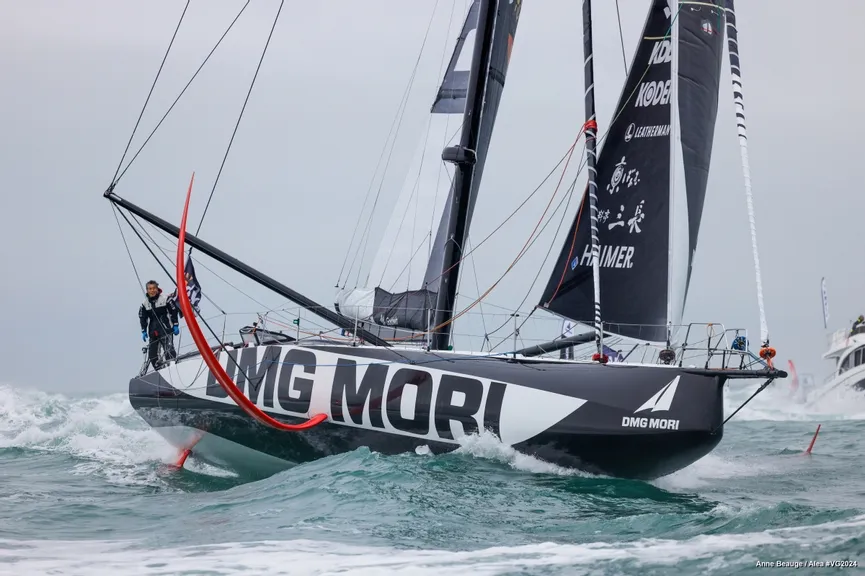
“This leg between Alicante and Auckland is going to be incredible,” said Kojiro Shiraishi, skipper of DMG MORI Sailing Team.
“The route is really appealing, with the crossing of the Equator and entry into the Southern Oceans, all in a single leg, with a full crew! It will be very challenging and also very dynamic. The Ocean Race is a very important challenge for our team with a new boat. My goal is to perform at my best both with the crew and with the shore team. We will build on experience, which will be crucial for a leg like this.”
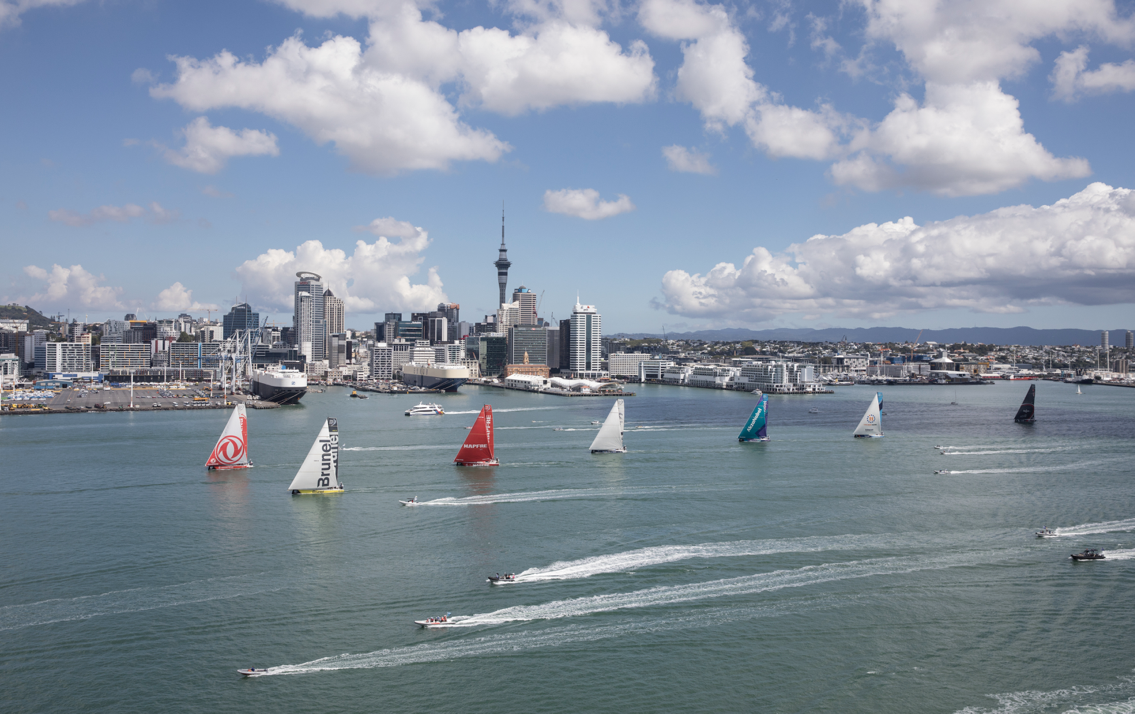
This will be the 12th time the race has stopped in the ‘City of Sails’, the home of race legends like Sir Peter Blake, Grant Dalton, Mike ‘Moose’ Sanderson and Peter Burling among many others.
“I’m super-excited The Ocean Race is returning to Auckland and we will have an opportunity to see the best offshore sailors and teams up close again,” said Mike Sanderson, who has raced in the event four times and is the last Kiwi to lead a team to victory as skipper of ABN AMRO in the 2004-05 edition. “Racing into New Zealand was always a highlight of the event for us as sailors as we knew we were coming to a place with a deep connection to the sport.”
From Auckland, the race will return to Itajaí, Brazil, as one of the most passionate stopover cities rejoins the race route, bringing The Ocean Race back to South America's vibrant sailing community.
Subsequent stopovers in the USA and Europe will be announced in due course, before the fleet returns to race deep into the Mediterranean and transit through the Suez Canal building up to a Grand Finale sprint down to AMAALA on the Red Sea, making for a groundbreaking race finish in a new and spectacular destination.
The ultimate proving ground
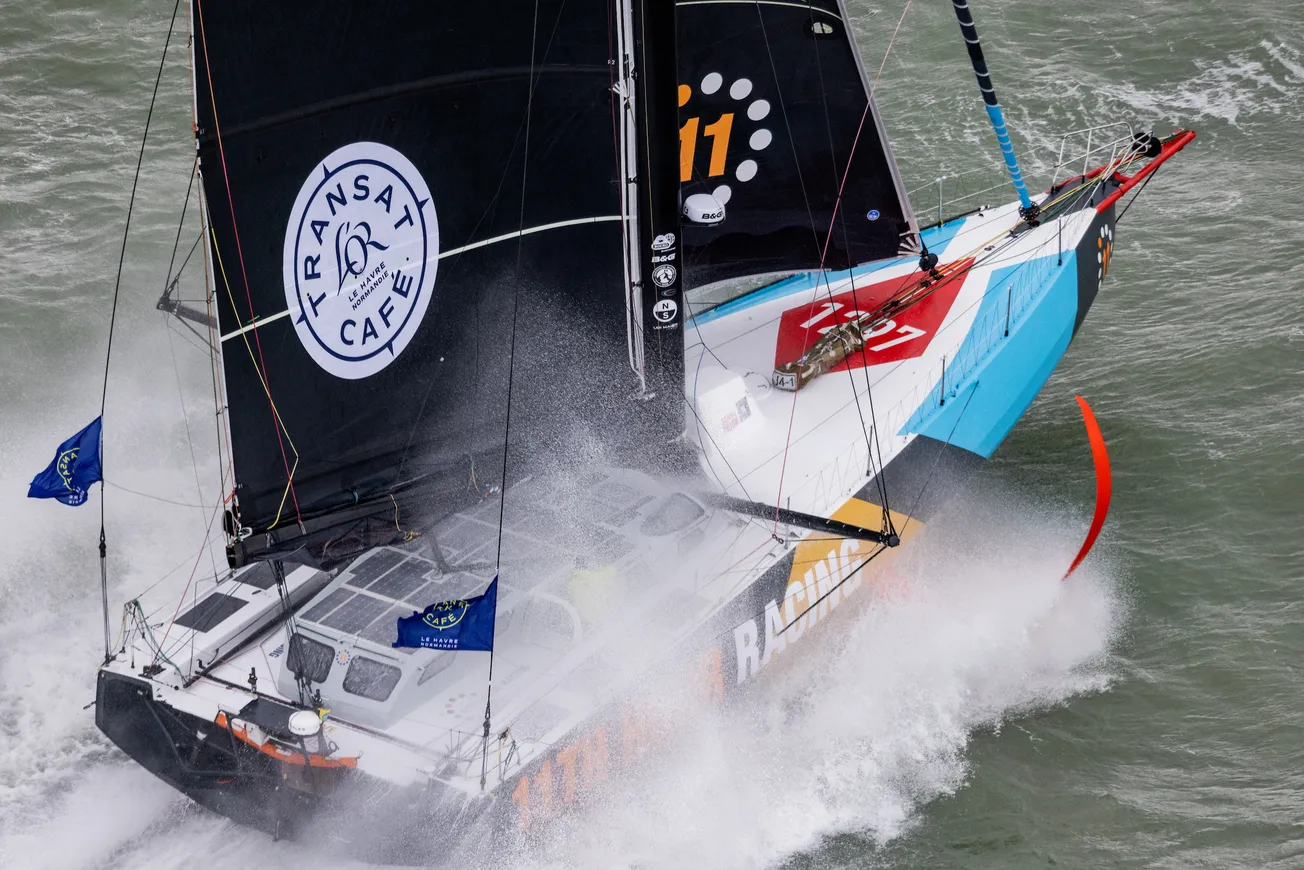
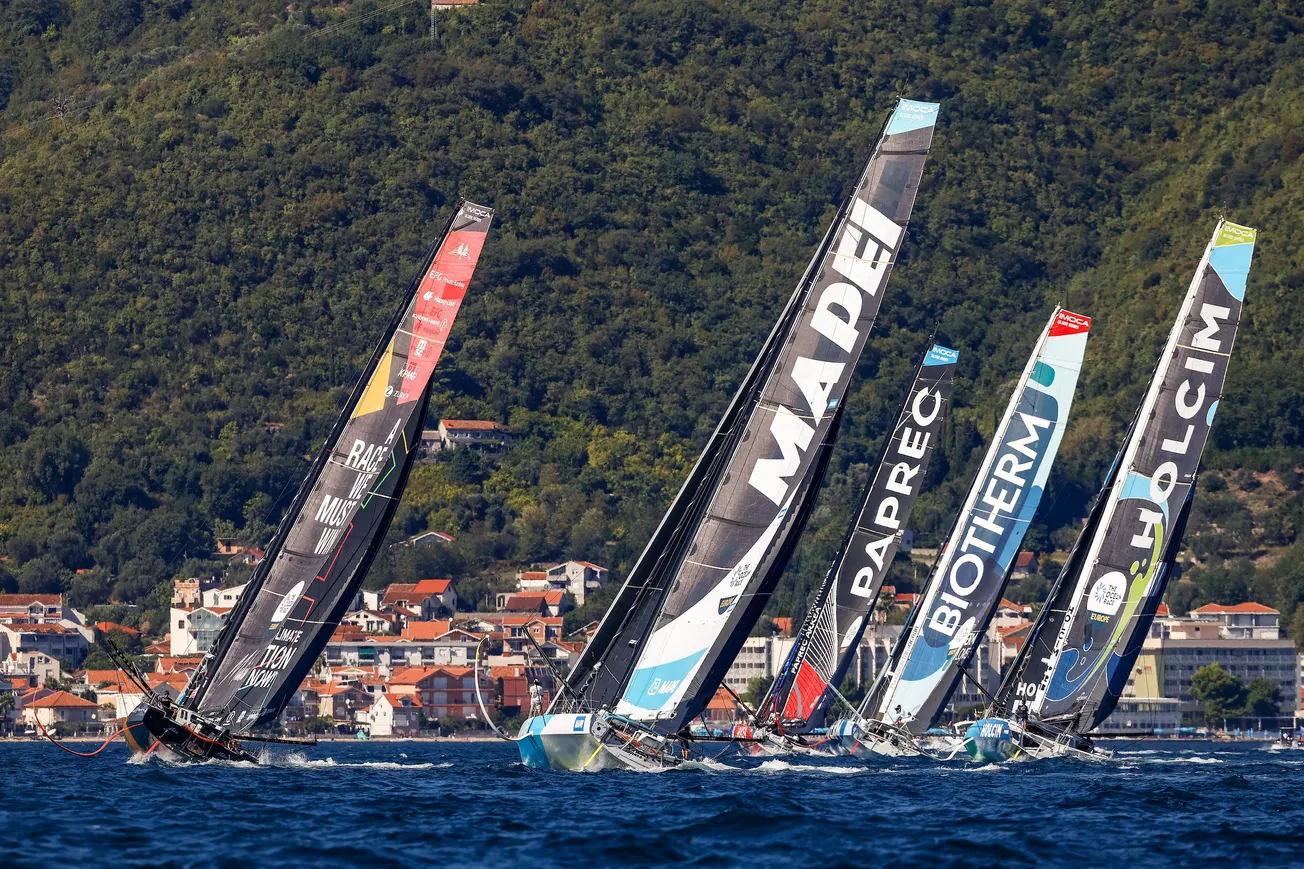
The Ocean Race has earned its reputation as the sport's most intense and gruelling competition. Racing aboard the world's fastest, foiling offshore race boats - the IMOCA class - the race teams face weeks at sea, navigating through the planet's most diverse and challenging waters from the doldrums to the legendary Southern Ocean.
"There is no racing quite like The Ocean Race," said Rosalin Kuiper, who skippered Team Holcim PRB during The Ocean Race Europe in 2025 and raced around the world with Team Malizia in 2023. "We’re competing with and against the top sailors in the world on the best boats in the world, in the most challenging conditions imaginable. It's the pinnacle of what we do as offshore sailors. Just thinking about it gets me excited to be on the water again."
The Ocean Race 2027 will see all teams include at least one female sailor in their crew at all times, reinforcing The Ocean Race’s commitment to mixed-gender competition at the highest level of the sport.
And advances in technology means the on board reporters on each boat will have a constant connection with race headquarters in Alicante and fans throughout the racing. The OnboardLive system which made its beta-test debut during The Ocean Race Europe will ensure fans see more action in real-time than ever before, including all of the behind-the-scenes stories.
Racing for the Ocean
The 2027 edition will build on The Ocean Race’s sustainability leadership through its Racing for the Ocean programme. As the teams race around the world, the sailors also serve as powerful advocates for ocean health and our relationship with the ocean.
The Racing for the Ocean programme integrates cutting-edge ocean science, education, and advocacy into every aspect of the race. Teams carry scientific equipment to collect vital data on ocean conditions, microplastics, and climate change impacts from some of the most remote waters on the planet. This data contributes to critical research helping scientists better understand and protect our oceans. The Ocean Race also contributes to global ocean literacy with one of the largest ocean education programmes in any sporting event. The programme is available for educators and students aged from 6-16 years old, to use freely online and is currently used in 90 countries. It will be translated into 18 different languages by the 2027 race start.
"We race on the ocean, but we also race for the ocean," said Lucy Hunt, marine biologist and Ocean Impact Director with the Race. "Our sailors witness firsthand the beauty and power of the marine environment. Through our Racing for the Ocean programmes, we are turning that platform into meaningful action for ocean health and inspiring millions of people around the world to join us in protecting our blue planet."
The programme encompasses sustainable event operations, youth education initiatives to reach schools and students at a global level, and partnerships with leading ocean conservation organisations.