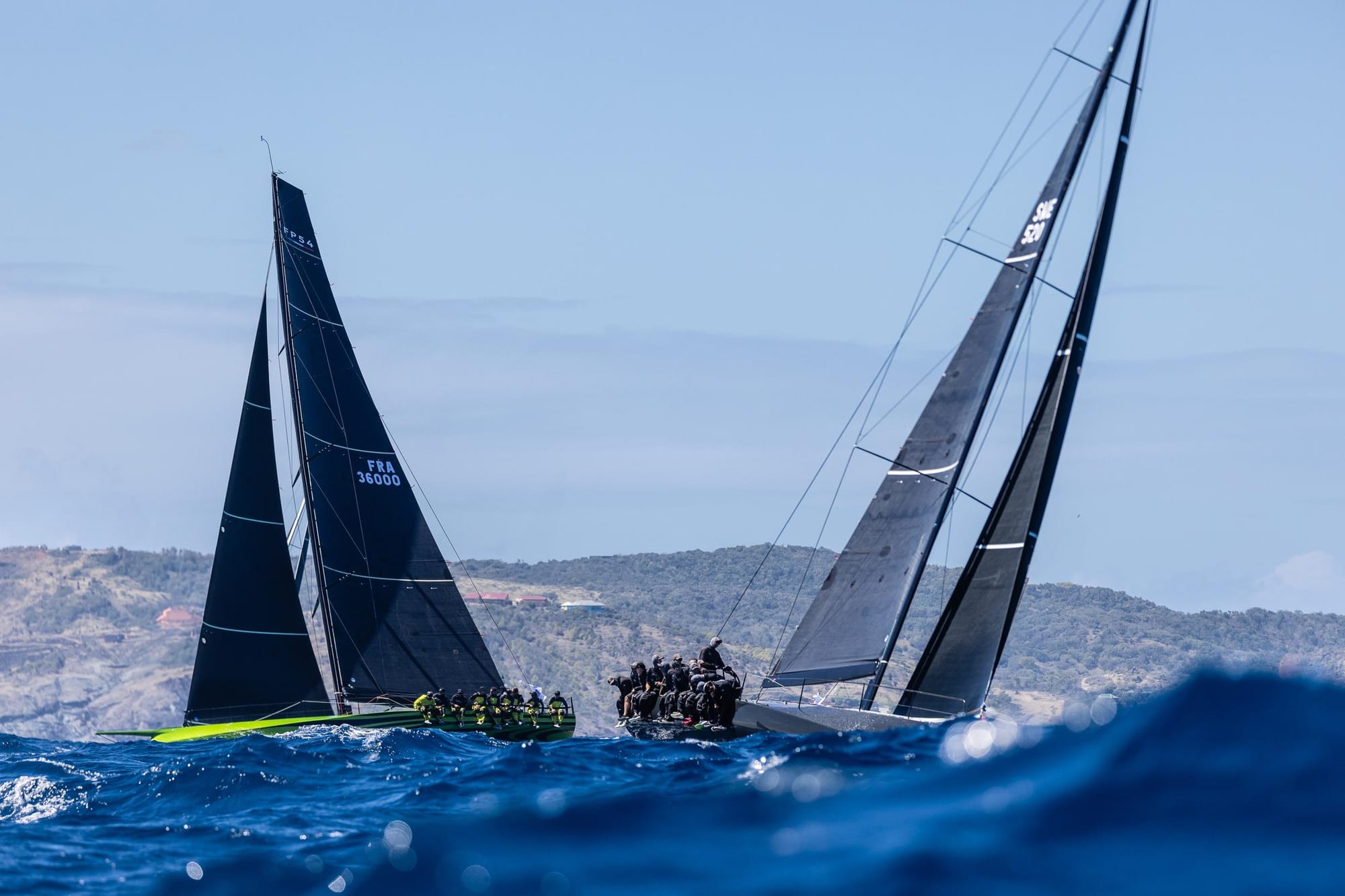
Will a female skipper ever win the Vendée Globe? In 10 editions of this epic contest, the closest anyone has come to it was Britain's Ellen MacArthur when finishing second in 2000-01, but since then no-one has come close and no one has made the podium.
In the build-up to the latest edition, there was much talk not so much about a female winner as much as a potential podium finisher, in the form of either Sam Davies of Britain or Justine Mettraux of Switzerland.
Davies in particular had all the experience, having been fourth – albeit 12 days behind the winner – in 2008-09. She had a current boat from the board of Sam Manuard, and her form in the most recent qualifying races made her a credible contender.
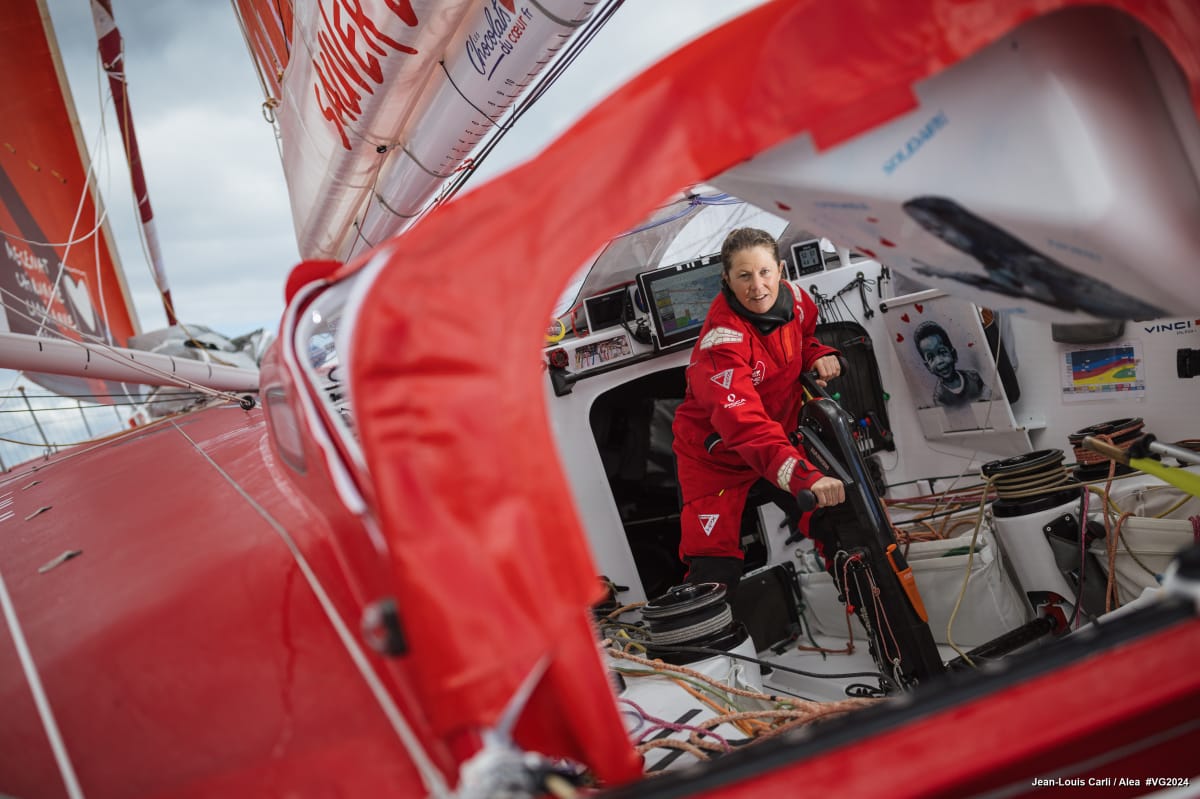
But in the race – her fourth and (we now know) last Vendée Globe – she was unable to live up to those expectations as she slipped out of the top-10 and ended up 13th. Mettraux, meanwhile, sailed a typically consistent race in her first attempt at the solo round the world classic in a second generation boat and finished eighth.
As those performances demonstrate, expecting a female winner or even podium finisher is asking a lot. Just look at the numbers. In the entire history of the race going back to the first edition in 1989-’90 there have been 239 starters, only 21 of whom (8.7%) have been female. In the first eight editions, only nine women sailors took part in total and in three of those races there were no women involved at all. Even in the last two races, which have seen the highest numbers of women on the startline – with six starters in both 2020 and 2024 – they accounted for only 18% and 15% of the fleet respectively. And female entrants do not represent a wide variety of national backgrounds, with almost all of them coming from France or Britain.
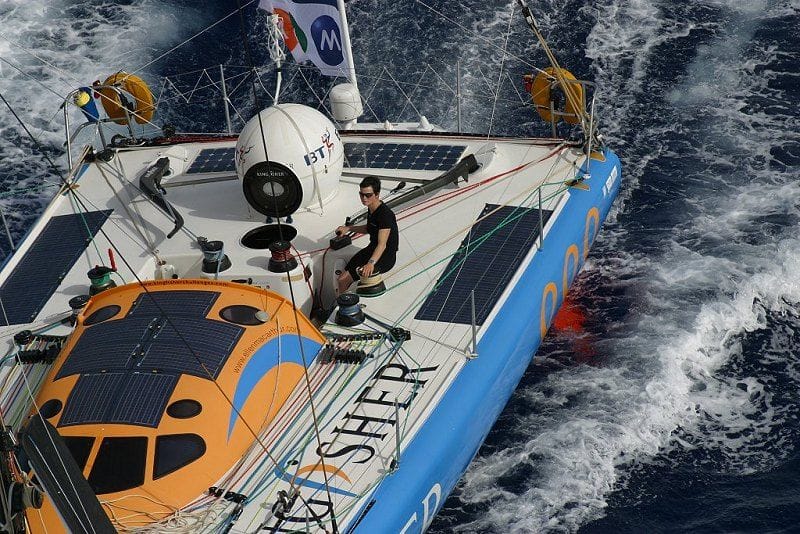
So why do people talk about a female winner? There are very few professional sporting events where male and female athletes compete on exactly the same terms, with access to the same equipment and on the same racecourse at the same time, and this is one of the towering strengths of the Vendée Globe. How incredible would it be to see a woman reach the pinnacle of this unique test of solo sailor against the world’s oceans? And imagine what an inspiring impact that could have around the world if, after 10 consecutive male winners, a female sailor was to stand on top of the podium.
To make this a reality at the current rate of female participation, it’s going to require an outlier in almost all respects. A sailor who is capable of taking on the best men and beating them in a state-of-the-art boat backed by a budget from commercial sponsors that covers all the bases. And then on top of all that they are going to need to sail a competitive race uncompromised by the almost inevitable technical issues or plain bad luck.
It’s a tall order and Sam Davies’ recent experience makes you realise just how tough delivering in all those areas can be. She appeared to have everything in place – the build-up, the boat, the experience, the sponsor – but still fell short. It would be tempting to argue that her race is further proof that a female winner will never happen.
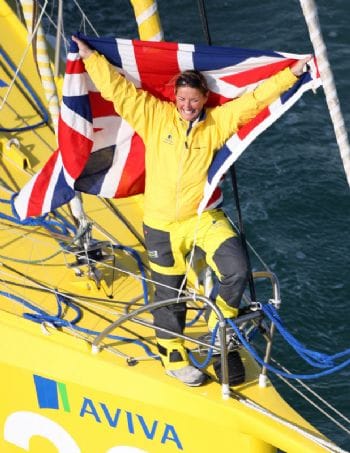
But we need to be looking at the positives. One person who has always done that is Dee Caffari, the British solo sailor who finished sixth in the 2008-09 Vendée Globe and is the first woman to have sailed solo and non-stop around the world in both directions. Caffari followed the 2024-25 race very closely and helped present the official online show and, as she says, she’s a “glass half-full” person.
She has no doubt that a female skipper can win the race. “I still think it’s possible, I don’t see a reason at all why it shouldn't happen” she told me. She takes the Davies example as a positive indicator not a negative one.
In Caffari’s view all the stars were aligning for Davies and that’s the positive element. The race didn’t pan out for her, in exactly the same way as it didn’t work out for many others who failed to make the podium despite having all the tools at their disposal. “You could have that conversation about Clarisse Crémer (11th), about Boris Herrmann (12th), about Thomas Ruyant (7th) for example – there are so many people that that could apply to, so it’s almost unfair to put that on Sam,” she said.
Caffari is already looking to the future in this respect and has high hopes for the latest high profile French female skipper to join the Vendée Globe field: “Elodie Bonafous has just launched the sistership to Charlie Dalin’s Macif. She has got some really key people lined up as coaches and co-skippers and she’s got four years to build the experience she needs.”
At the same time Caffari, currently co-skipper with Alexia Barrier on the Famous Project Jules Verne Trophy programme, argues that any gender-based distinction in this area is, as she put it, “kind of irrelevant” in any case.
“If you ask people in the (Imoca) class you will get the same kind of response on this,” she explained, “as in, it doesn’t matter. It doesn’t matter how old you are, what gender you are and it doesn’t matter what nationality you are. The Vendée is one of those really lovely places where we’re all out there on the same boat, tackling the same issues, the weather, the breakages, the solutions, the routing – all that kind of thing. Actually who you are is completely irrelevant – mother nature doesn't give a stuff about that.”
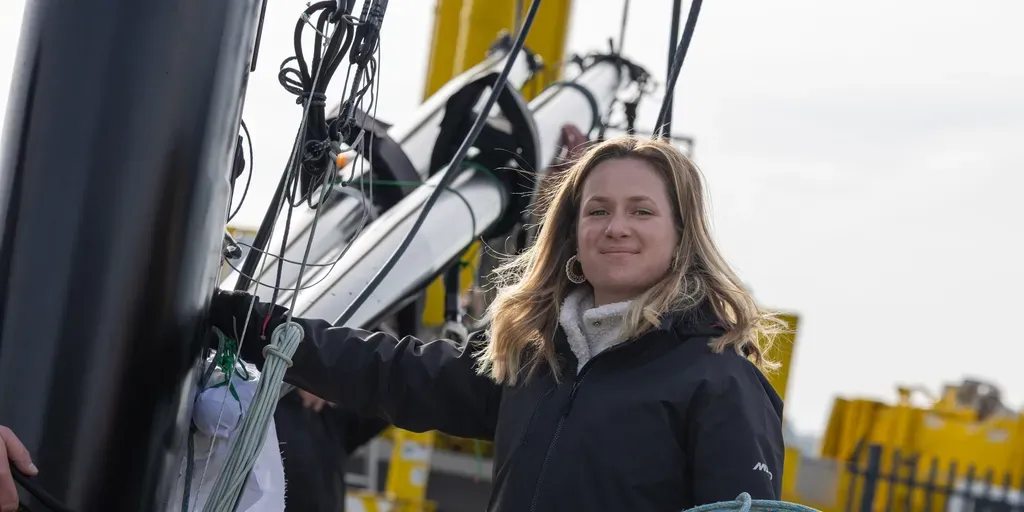
The other old chestnut with the Vendée Globe is when we will see a non-French winner, which touches on many of the same arguments as the case with female entrants and involves some of the same sailors. Again Caffari has no doubt that this will happen and believes the Lorient-based British skipper Sam Goodchild in a new boat for 2028 – he was ninth this time – could be a realistic contender to achieve this. But she makes a good point about funding for non-French sailors in an event where full participation over the four year build-up to each Vendée Globe is vital.
“In France they sponsor the Vendée Globe – whether it’s your brick company, your window company or your beef man. Outside of France we have to make a global argument to a global company to take on this prestigious race. It seems so much harder to capture that passion and the emotion that the race generates within France itself,” she said. “But I’m confident that a non-French winner will happen and potentially we saw one or two people in the last race that could take it on.”
So in both cases we can live in hope: that the Vendée Globe will not always be won by men – and the winners will not always be born in France. It’s just a matter of time.